
You pop the key in the ignition, but your car feels sluggish on the highway. Gas mileage drops too, and the AC blows weak air that smells off. These issues often trace back to dirty air filters. Cars have two main types: the engine air filter that feeds clean air to the motor, and the cabin air filter that purifies air for you and passengers.
A clogged engine filter starves the motor of oxygen. That leads to poor performance and higher fuel costs. The cabin filter, meanwhile, traps dust, pollen, and odors before they enter your vents. Neglect either one, and you pay at the pump or with allergy woes.
So, when should you replace air filters in your car? This post covers standard schedules, warning signs, driving factors, DIY steps, and the payoffs. You’ll learn to spot trouble early and keep your ride smooth.
Engine Air Filter Basics: When and Why to Replace It
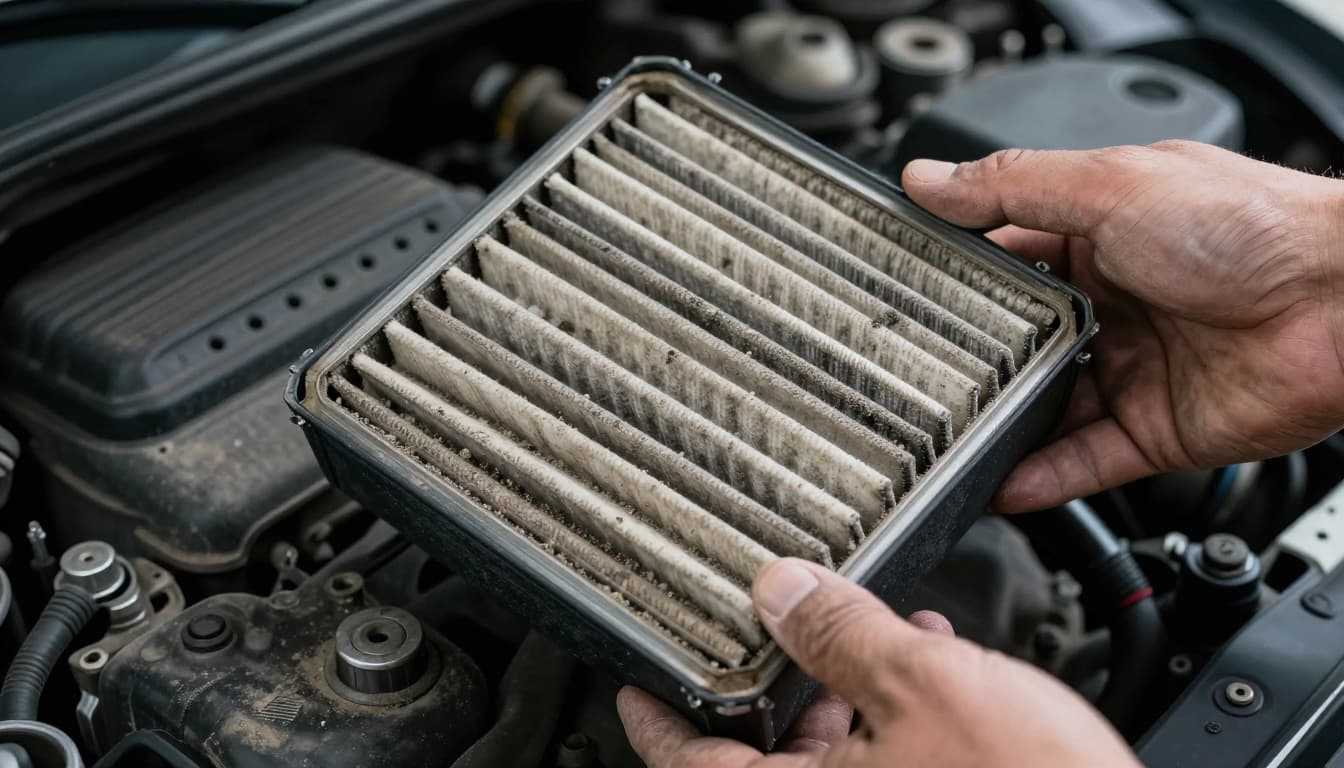
The engine air filter sits in a black box under the hood. It blocks dirt, dust, and debris from entering the engine. Clean air mixes with fuel for strong power and good miles per gallon.
Most makers suggest replacement every 15,000 to 30,000 miles in normal driving. Or do it yearly, whichever comes first. Always check your owner’s manual for the exact interval. For example, some models stretch to 45,000 miles.
Filter types matter too. Paper filters need swaps at 12,000 to 15,000 miles. Oiled cotton ones last 30,000 to 50,000 miles if you clean and re-oil them every 6,000 miles during checks. Dry synthetics clean every 5,000 to 6,000 miles if dirty, then replace at 30,000.
Dustier roads or heavy pollen cut life short. Inspect more often then. Recent 2026 data from auto experts backs this: tough conditions mean checks every 12,000 miles.
For detailed schedules by model, see FRAM’s engine air filter guide.
Signs Your Engine Air Filter Is Clogged
Your car hesitates when you hit the gas. That’s a classic clue. Power drops because the engine gulps less air.
Fuel economy slips too. A dirty filter can cut MPG by up to 10%. Check your dashboard; if numbers dip without other changes, peek at the filter.
Pull it out and look. Dirt cakes the pleats, or it appears dark. Those mean replace now. No need to wait for mileage.
Driving Conditions That Shorten Filter Life
Gravel roads kick up fine dust. That clogs filters fast. Heavy city traffic adds exhaust particles.
Stop-and-go driving strains the system more. Polluted areas or high pollen seasons demand checks every 6,000 miles. Adapt your schedule to match.
Rural drivers on dirt might inspect monthly. City folks focus on traffic haze. Tailor it, and your engine stays happy.
Cabin Air Filter: Keep Your Car’s Interior Fresh
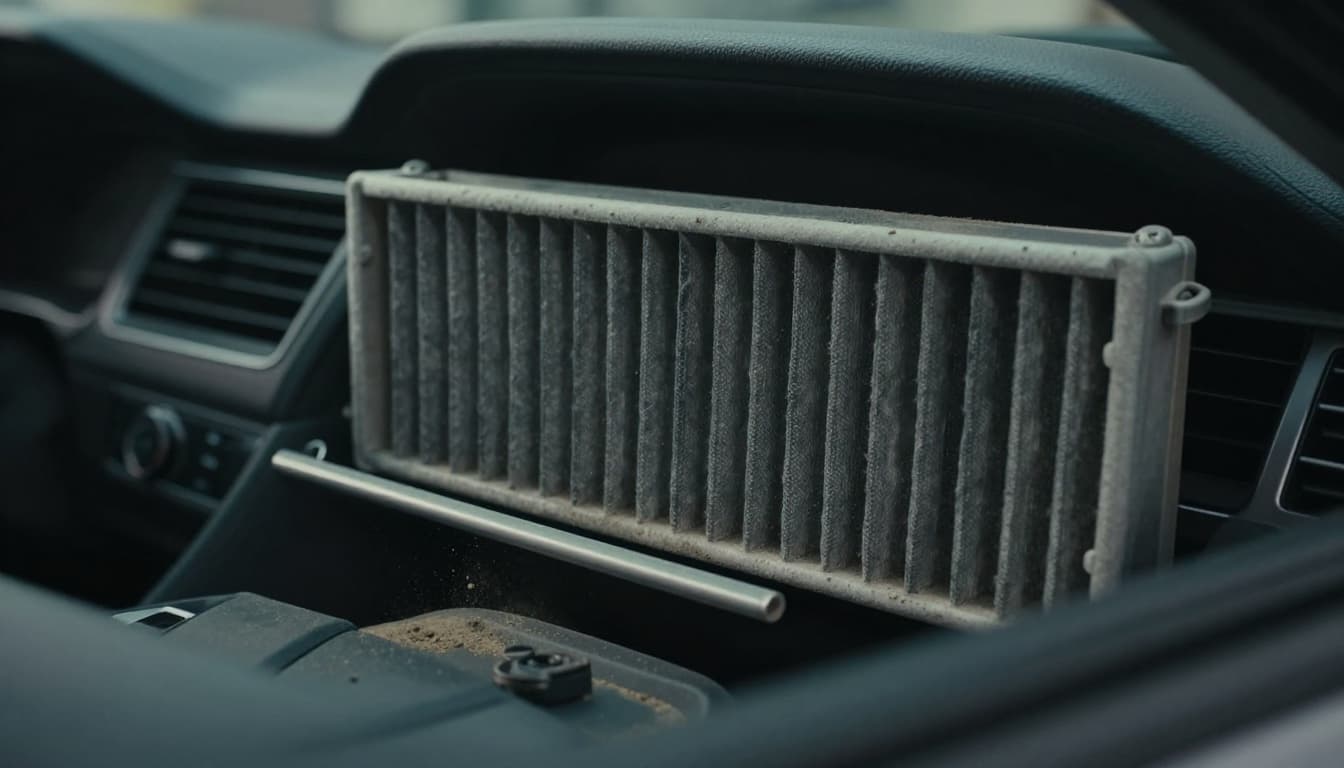
This filter hides behind the glovebox or under the dash. It scrubs incoming air for your HVAC system. Pollen, dust, and smells get trapped before reaching vents.
Replace it every 12,000 to 30,000 miles. Many cars hit the sweet spot at 15,000 to 20,000 miles. Ford models often call for 15,000 to 20,000; Nissans like the 2026 Rogue need it at 7,500 miles or yearly.
Allergies or dusty spots mean swaps every 5,000 miles. Your manual lists the spot and timing. Fresh data confirms: pollution speeds up dirt buildup.
Warning Signs for Cabin Air Filter Issues
Airflow weakens from vents first. AC or heat struggles to cool or warm fast.
Musty odors linger inside. Dust piles on the dash and seats. No check-engine light warns you, so stay proactive.
Easy DIY: How to Check and Swap Your Air Filters
DIY saves cash over shop visits. Filters cost little, and the job takes minutes. Grab the right size from your manual.
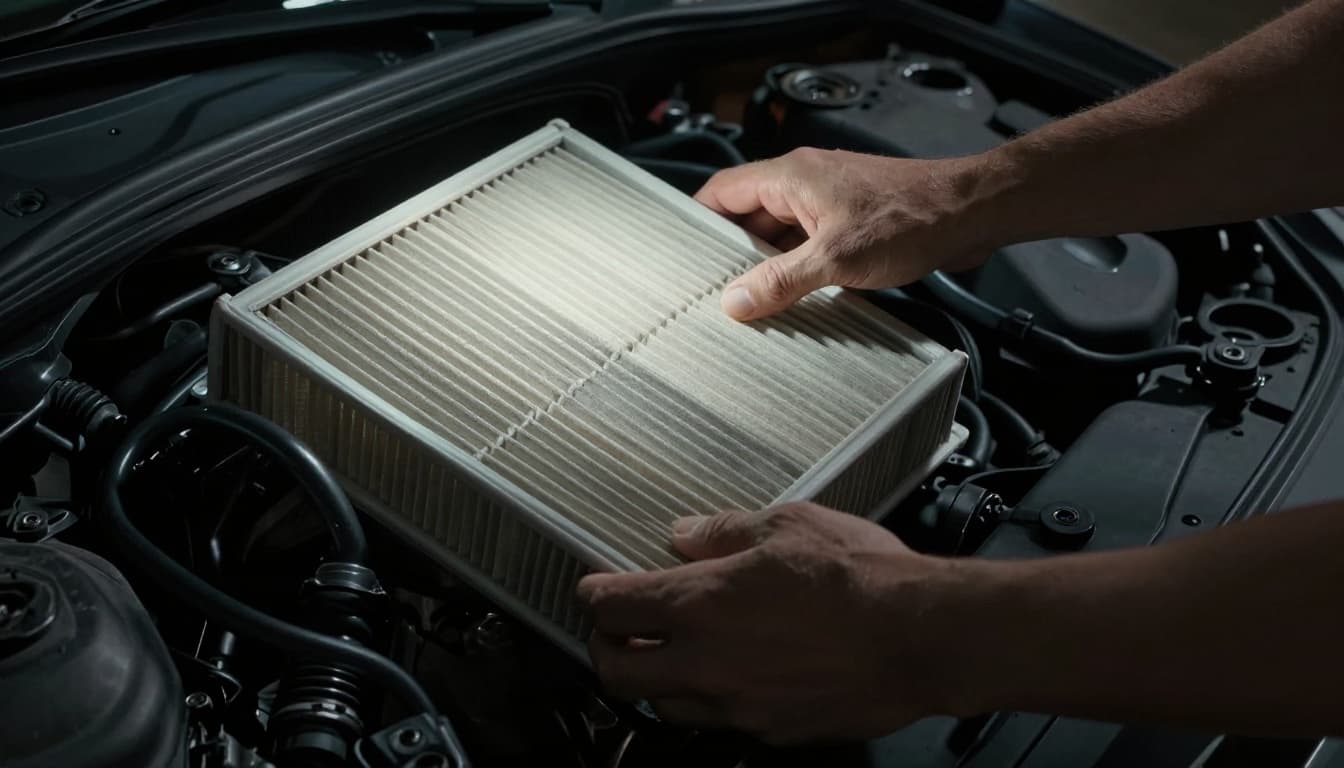
Start with the engine filter. Pop the hood. Find the large rectangular box, often near the battery. Unclip latches or loosen screws.
Pull out the old filter. Wipe the box clean. Insert the new one, gasket side down. Snap shut.
Cabin filters vary. Open the glovebox; drop the bottom or squeeze sides. Slide out the filter tray. Swap and reassemble.
No tools needed most times. A screwdriver helps stubborn clips. Work on a cool engine for safety.
Learn model-specific tips in this engine filter replacement overview.
Quick Inspection Tips Before Replacing
Hold the filter to light. Clean ones let brightness shine through. Dark blocks mean swap time.
Tap it gently. A dust cloud signals dirt overload. Do this at every oil change.
Fresh Filters Pay Off: Performance and Savings
New filters boost MPG right away. Engines breathe free, so you save at pumps. Cabin air flows strong and clean.
Quality ones trap 97 to 99.96% of dirt. That protects parts and extends life. Reusables last longer with care.
Myth busted: mileage alone doesn’t rule. Inspect visually too. Buy name-brand for seals that fit tight.
Check replacement factors from Engineer Fix for more insights.
Regular swaps cut repair bills. Your car runs smoother, and you breathe easier.
Grab your manual today. Note the schedule, then inspect filters now. Watch for signs like weak power or weak vents. Adjust for your roads, and replace on time.
You’ll notice the difference in pep and fresh air. Share your DIY stories or filter finds in the comments. Subscribe for more tips to keep your car top-notch. Drive smart.