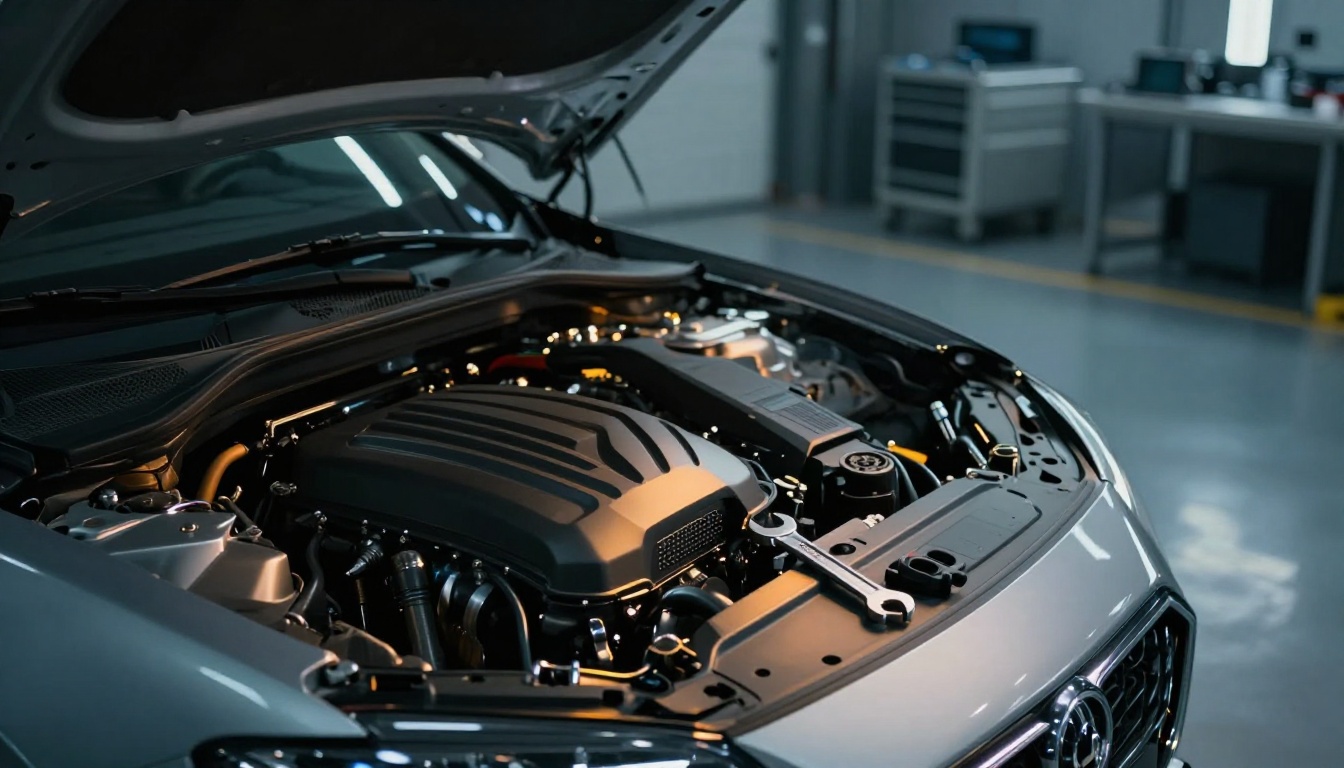
Picture this: you’re cruising down the highway when your car sputters and dies. Traffic backs up. You call for a tow. That nightmare happens because people skip basic care.
Car maintenance means regular checks and fixes to keep your vehicle running smooth. Think of it like brushing your teeth. It prevents big problems. In 2026, routine care costs about $900 to $936 a year. Neglect it, and bills climb to $1,424 or more on average. Safety suffers too. Nearly 11,000 tire-related crashes happen each year.
We’ll cover what maintenance involves. You’ll see why it saves cash and boosts safety. Plus, get schedules and tips for DIY or pro help. Ready to dodge breakdowns and drive worry-free?
Breaking Down the Essentials of Car Maintenance
Car maintenance acts as preventive care. It spots small issues before they grow. Always check your owner’s manual first. It lists model-specific needs. Groups like AAA offer general guides too. For example, AAA’s car maintenance schedule breaks it down by miles and time.
Key parts include fluids like oil and coolant. Tires need air and rotation. Brakes, battery, filters, belts, and hoses matter most. Types vary by frequency. Do quick monthly looks. Handle basics every 3,000 to 5,000 miles. Full services hit at 12,000 miles. Major work comes at 30,000 or more.
Electric vehicles differ a bit. They skip oil changes. Focus on tires, brakes, battery health, and software updates instead.
Here’s a simple schedule table to follow:
| Interval | Key Tasks | Why It Matters |
|---|---|---|
| Monthly | Tires, lights, fluids, battery | Quick safety check |
| 3,000-5,000 miles | Oil change, tire rotation | Prevents engine wear, even tread |
| 6-12 months | Filters, wipers, brake inspection | Clean air, clear view, safe stops |
| 12,000 miles | Full fluids, belts, hoses | Overall reliability |
| 30,000+ miles | Transmission, spark plugs | Long-term performance |
This table keeps things straightforward. Adjust for your driving. City traffic means more frequent oil swaps.

Daily and Monthly Habits That Take Just Minutes
Start small each day. Glance at your tires before driving off. Check lights work at night. Test wipers in rain.
Monthly, pump up tire pressure. Cold snaps drop it fast. Low pressure causes slips on wet roads. Peek at fluid levels under the hood. Top off if low. Test battery terminals for corrosion. Wipe it clean.
These steps take five minutes. They catch problems early. Proper tires alone prevent hydroplaning.
Mileage Milestones for Oil, Tires, and Brakes
Hit 3,000 to 5,000 miles? Change oil and filter. Stop-and-go traffic dirties it quicker. Rotate tires too. Do it every 5,000 to 7,500 miles. That evens wear and extends life.
Every six to 12 months, swap wiper blades. Replace air and cabin filters. Inspect brakes for pad thickness.
Brakes fade without notice. Early checks save lives. Follow your manual. Apps remind you of due dates.
Why Regular Car Maintenance Saves You Money, Time, and Worry
Skip checks, and costs explode. Routine work runs $900 yearly. Delayers pay $1,424 on average. That’s for 14,489 miles driven per year. Repairs rose 6.5% lately due to inflation and parts shortages.
Cars last longer with care. Average age hit 12.6 years. Neglect cuts that short. You’ll avoid tows and rentals. Fuel savings add up too. Fresh tires and filters improve mileage.
Invest now. Avoid huge bills later. Safety tops the list though.
Boosting Safety and Preventing Costly Accidents
Tires and brakes cause most crashes from poor upkeep. Nearly 11,000 tire incidents happen yearly. Check pressure monthly. Inspect tread depth with a penny. Brakes need yearly looks.
NHTSA tire safety page stresses maintenance. Worn parts lead to skids or failures. Regular habits drop those risks big time.
Extending Your Car’s Life and Improving Gas Mileage
Upkeep fights normal wear. Older cars break more without it. Clean filters boost MPG. AAA notes it saves pennies per mile.
Keep records. They prove care at resale. Buyers pay more for documented history. Your wallet thanks you.
Your Step-by-Step Plan: Schedules, Tips, and DIY Versus Pro Choices
Grab your manual. Set phone reminders. Tackle seasonal tasks first. In March 2026, spring means post-winter checks.
Oil changes top essentials. Rotate tires often. Inspect brakes and battery. Swap filters regularly. Fix check engine lights right away. That signal warns of big trouble.
Don’t skip oil. Sludge builds and wrecks engines. Check pressure monthly. Use apps for tracking.
DIY saves cash on basics. Oil change parts cost $20 to $40. Trend grows 6% yearly. Pros charge $50 to $100. They offer diagnostics and warranties.
Log all work. DIY works for fluids if you follow guides. Pros handle brakes best.
EVs need preconditioning. Regen brakes last longer with care.
Seasonal Checklists to Stay Ahead of the Weather
March calls for spring prep. Test battery after winter drain. Check antifreeze levels.
Winter meant battery tests and antifreeze top-offs. Summer brings coolant and AC checks. Fall focuses on lights and brakes.
Tailor to your area. Snow states prioritize chains too.
DIY Wins, Pro Musts, and Common Pitfalls to Dodge
DIY shines for fluids and tires. Watch YouTube for steps. Buy right parts.
Leave brakes and transmission to pros. They spot hidden issues.
Pitfalls include ignoring dash lights. Wrong oil voids warranties. Always keep receipts. They boost resale by thousands.
Records prove value. Skip them at your loss.
Car maintenance boils down to simple prevention. It ensures safety on roads. It cuts costs over time. Your vehicle lasts longer too.
Check your manual today. Set a reminder for next oil change. Schedule that service now.
A well-kept car opens doors to stress-free trips. What’s your top maintenance tip? Share below or grab our free checklist. Drive safe.