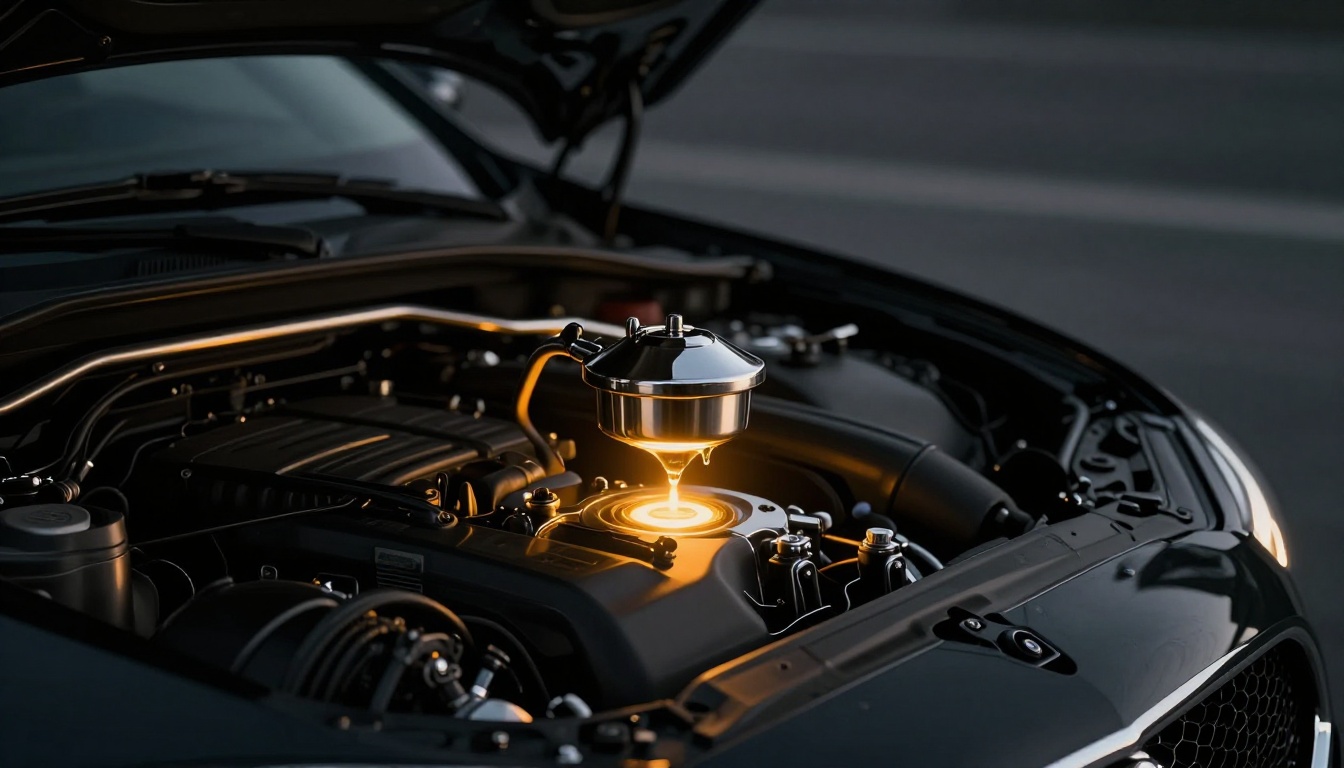
Ever wonder why your engine starts knocking right after an oil change? It happened to a friend of mine on a road trip; he grabbed the wrong oil, and it cost him $3,000 in repairs for timing chain damage. That kind of headache hits hard, especially when a simple fix could have kept things smooth.
You need the right engine oil to protect modern engines from issues like low-speed pre-ignition and sludge buildup. It saves you thousands on repairs, boosts fuel economy by up to 2%, and keeps your warranty intact. Plus, in 2026, top oils meet standards like API SP and ILSAC GF-6 (with GF-7 rolling out for hybrids and turbos).
Stick around as we break down viscosity grades, oil types, key standards, and exactly how to pick the best one for your car.
Why the Right Engine Oil Keeps Your Car Running Stronger and Longer
Engine oil does more than just sit in your car. It lubricates moving parts so they glide without grinding. Plus, it reduces friction, cools hot components, cleans away sludge, and shields against wear. Pick the wrong type, however, and you invite trouble. Parts wear out faster, engines overheat, cold starts turn sluggish, and warranties vanish.
Take my neighbor’s truck, for instance. He skipped the manual and used thick oil in a car built for thin stuff. Result? Sluggish performance and a $1,200 repair bill. Thinner oils like 0W-20 cut fuel use by 2-4% because they flow easily and create less drag. Yet they offer less film strength for towing or extreme heat. Go with thicker 5W-30 instead for high-mileage rides or hot climates; it holds up better under stress. The right match lasts 5,000 to 7,500 miles between changes, saving time and cash.
Drivers often mess up in simple ways. Here are common pitfalls:
- Ignoring the owner’s manual specs on viscosity or type.
- Buying cheap conventional oil for a synthetic-only engine.
- Skipping checks until the light flashes.
- Mixing brands or grades without thinking.
Avoid these, and your engine thanks you. Check your manual first. Then pick oil that matches your driving habits and location.
Signs Your Current Oil Isn’t Cutting It
Your car sends clear warnings when oil fails. Wrong viscosity or type breaks down quick, starving parts of protection. Listen up because ignoring them leads to big fixes.
Common symptoms include:
- Knocking or ticking sounds from metal rubbing metal; low oil can’t cushion rods and bearings.
- Low oil pressure light on the dash; this screams stop now, as low engine oil pressure warning signs show it risks total failure.
- Blue or white smoke from the tailpipe; oil burns because it’s too thin or degraded.
- Hard starts, especially in cold; thick or old oil clogs flow.
- Dark, gunky oil on the dipstick; fresh oil looks amber, not black tar.

Spot these? Pull over safely. Top off if low, but change it soon. Check oil level and color monthly. Pop the hood, pull the dipstick, wipe, dip again. Milky oil means coolant mix; pitch-black sludge points to neglect. Act fast, and you dodge engine death.
Real Benefits You’ll Notice Right Away
Switch to the right oil, and changes hit quick. Your car feels alive again. For example, 0W-20 flows 40% faster at startup than thicker grades, so cold mornings become effortless.
You gain these perks:
- Smoother cold starts; thin synthetics pump instantly, cutting wear on dry components.
- Quieter engine; proper lubrication dampens noise from valves and pistons.
- Better MPG; low-drag oils like 0W-20 boost efficiency by 2%, as 0W-20 synthetic benefits for modern engines explain.
- Longer engine life; synthetics resist breakdown up to 480°F without thinning much.
In short, the correct oil transforms drives. Engines run cooler and cleaner. Fuel savings add up over miles. Best part? It matches your warranty needs, so no surprise denials. Feel the difference on your next fill-up.
Viscosity Grades Demystified: 0W-20, 5W-30, and What They Mean for You
Viscosity grades tell you how engine oil flows at different temperatures. The first number, like 0W or 5W, shows cold-weather performance. Lower numbers mean better flow when it’s freezing, down to -35°F for 0W oils. They pump fast during startup and cut wear.
The second number, such as 20 or 30, measures hot protection. Higher numbers create a thicker film to guard parts under heat and load. For example, 0W-20 flows quick cold but thins more when hot, while 5W-30 stays stable. Most US cars now call for 0W-20 to meet CAFE fuel rules, yet 5W-30 fits many others.

Here’s a quick comparison of popular grades. Check your manual first, because it lists the exact match for your engine.
| Viscosity Grade | Cold Flow (Startup) | Hot Protection (Film Strength) | Best For |
|---|---|---|---|
| 0W-20 | Excellent (-35°F) | Good for light loads | New cars, fuel savings, short trips |
| 0W-16 | Superior (-40°F) | Thin, low drag | Ultra-new engines like some 2026 Toyotas |
| 5W-20 | Good (-30°F) | Moderate | Many sedans pre-2024 |
| 5W-30 | Good (-30°F) | Stronger (35% thicker film) | Hot climates, towing, high miles |
| 10W-40 | Fair (-25°F) | Thickest | Older cars, heavy use |
Data from sources like the Purdue Extension on engine oils back this up. Always follow your manual to avoid warranty issues.
Best Picks for Cold Climates and Short Trips
You live where winters bite? Go with 0W-20 synthetic. It rushes to parts 40% faster than thicker oils at startup. That means less dry rubbing and longer life for modern engines under 75,000 miles.
Short trips suit it too, because engines don’t fully warm up. Synthetics like this resist sludge and save 1-2% on fuel, thanks to CAFE standards pushing it in new US cars. However, skip it for heavy towing; the film weakens under stress. Your startup sounds smoother, and MPG climbs. Pick full synthetic for best results.
Top Choices for Hot Weather, Towing, or Older Cars
Hot summers or hauling trailers call for 5W-30 or thicker. It builds a robust film, up to 50% stronger hot than 0W-20. Engines over 75,000 miles need that stability to fight wear.
Older cars thrive on it as well. Gaps widen with age, so thicker protection seals them. In 2026, many Fords and Chevys still spec 5W-30 for tough jobs. It handles heat over 250°F without breaking down. Tow heavy? This grade prevents scoring on bearings. Your engine stays quiet and cool under load.
Synthetic vs Conventional vs Blends: Which Oil Type Fits Your Drive?
Your engine oil choice boils down to three options: conventional, synthetic blends, or full synthetics. Each handles heat, cold, and wear differently. Conventional comes straight from crude oil, so it costs less but breaks down quicker. Synthetics get made in labs for top performance in tough spots. Blends mix the two for a budget-friendly boost. Pick wrong, and you risk sludge or quick changes. Let’s break them down so you match the right one to your drives.

Conventional Oil: Budget Pick for Easy Drives
Conventional oil works fine for older cars or light use. It starts as refined crude petroleum, with uneven molecules that shear under stress. Therefore, it thins fast in heat and thickens in cold. You change it every 3,000 to 5,000 miles because it builds sludge easier.
Still, it suits simple engines without turbos. For example, many pre-2000 trucks run great on it. Costs stay low, around $20 per change. However, skip it for high miles; it loses protection quick.
Synthetic Blends: Value Boost Without Full Price
Blends combine conventional base with some synthetic for better flow. They resist cold starts well and cut sludge more than plain conventional. Change intervals stretch to 5,000 to 7,500 miles, so you save trips.
Most importantly, they handle daily commutes or moderate towing. Price hits a sweet spot, often 30% less than full synthetics. In addition, they cling better to parts during shutdowns. Your engine stays cleaner longer.
Full Synthetics: Top Shield for Tough Conditions
Full synthetics shine in extremes. Lab-engineered bases keep uniform shape, so they lose just 6-7% mass in tests versus 13% for conventional. They stay thick hot, thin cold, and hold additives like ZDDP for anti-wear.
Best for turbos, high miles, or towing, they last 7,500 to 10,000+ miles. New cars demand them for tight tolerances. Fuel economy rises too, from less drag. Consumer Reports explains why synthetics fit modern engines.
Here’s how they stack up:
| Feature | Conventional | Synthetic Blend | Full Synthetic |
|---|---|---|---|
| Cost | Lowest | Medium | Highest |
| Change Interval | 3,000-5,000 miles | 5,000-7,500 miles | 7,500-10,000+ miles |
| Extreme Temps | Fair | Good | Excellent |
| Sludge Resistance | Low | Medium | High |
| Best For | Older cars, light use | Daily drivers | Turbos, towing, extremes |
Data matches recent tests. So, check your manual. City stops? Try blends. Hot hauls? Go full synthetic. Your wallet and engine win.
API SP, ILSAC GF-6, and Other Labels to Hunt For on the Bottle
Next time you shop for oil, scan the bottle for key labels. They prove the oil meets tough tests for modern engines. Look for the API SP donut or ILSAC GF-6 starburst symbols right on the front. API SP, launched in 2020, sets the bar for gas engines. It fights chain wear and sludge. Meanwhile, ILSAC GF-6 boosts fuel economy and turbo protection. Most cars need GF-6A for standard viscosities like 0W-20. Thinner oils like 0W-16 carry GF-6B.
These marks assure quality. They back up claims with lab tests. Always pick oil that meets or beats your manual’s specs. Newer GF-7 oils, rolling out now, build on them with better LSPI protection for aged oil and support for hybrids. By October 2026, GF-6 fades out. Check PQIA’s details on API SP and ILSAC GF-6A/6B for more.

Spot these, and you grab proven protection. Your engine runs cleaner and lasts longer.
What These Standards Protect Against in 2026 Engines
Modern engines pack turbos and direct injection. They run hot and tight. Without right oil, problems hit fast. API SP and GF-6 tackle low-speed pre-ignition first. LSPI sparks fuel too soon. It slams pistons and cracks rods. These oils stop it in fresh batches.
Timing chains stretch under stress. GF-6 caps wear at 0.085 mm. Newer GF-7 tightens to 0.080 mm. Sludge clogs turbos next. Direct injection skips valve cleaning, so gunk builds. Standards keep blades spotless and flow steady.

In short, they shield 2026 powerplants. Turbos spin free. Chains stay tight. Pistons dodge damage. Result? Fewer breakdowns and better MPG. Match your manual, and peace follows.
Your Step-by-Step Guide to Picking and Buying the Perfect Oil
Ready to grab the right oil without guesswork? Follow these simple steps. They match your car’s needs, keep your warranty safe, and save you headaches. Start with your manual, then factor in your drives. You’ll end up with oil that protects better and lasts longer.

Step 1: Grab Your Owner’s Manual or App for Exact Specs
First, pull out your owner’s manual. It lists the viscosity like 0W-20 or 5W-30, plus standards such as API SP or ILSAC GF-6. No manual? Download apps like MyCarfax or Torque Pro. Enter your VIN, and they pull factory specs plus change intervals.
You can also find free digital copies online. For example, CARFAX offers owner’s manuals by VIN from most brands. Therefore, note the exact grade and type. This step keeps your warranty valid because dealers check it.
Step 2: Match Oil to Your Driving Habits and Mileage
Next, think about your routine. Cold starts or short trips? Pick 0W-20 full synthetic; it flows fast and fights sludge. Hot weather or towing? Choose 5W-30 for stronger hot protection. High miles over 75,000? Go thicker synthetic to seal wear gaps.
Change every interval in your manual, often 7,500 to 10,000 miles for synthetics. However, don’t upgrade thickness without checking; it could void coverage. As a result, your engine runs smoother.
Step 3: Hunt for Top-Rated Oils That Meet Specs
Scan bottles for matching labels. Top 2026 picks include Mobil 1 Extended Performance for daily drives and Castrol EDGE for performance. Here’s a quick rundown from recent tests:
| Rank | Oil Brand | Best For | Common Viscosities |
|---|---|---|---|
| 1 | Mobil 1 Extended Performance | Long life | 0W-20, 5W-30 |
| 2 | Castrol EDGE Full Synthetic | High performance | 5W-30 |
| 3 | Valvoline Advanced Full Synthetic | Value protection | 5W-30 |
Always verify API SP or GF-6 stars.
Step 4: Buy from Trusted Spots and Test If Needed
Head to AutoZone, O’Reilly, Walmart, or Amazon for deals. Walmart often undercuts others on jugs, as this Motor1 comparison shows. Grab filters too, and save receipts.
Pro tip: Worried about fit? Send used oil to a lab with kits like those from Speediagnostix. They spot issues early for $30.
Your Quick Buying Checklist
- Check manual/app for viscosity and standards.
- Match to drives: thin for cold/short, thick for hot/towing.
- Confirm labels on bottle.
- Buy synthetic if manual allows.
- Note change interval and mileage.
Follow this, and your engine stays happy.
Conclusion
Check your owner’s manual first. It tells you the exact viscosity grade, oil type, and standards like API SP or ILSAC GF-6. Match it to your drives, and pick synthetic for top protection.
Therefore, you dodge knocks like my friend’s $3,000 road trip fix. Your engine runs smoother, lasts longer, and saves fuel.
Grab your manual today. What oil does your car need? Share in the comments below.
Fun fact: Synthetics resist heat breakdown way better than conventional oils. They hold shape up to 480°F, so turbos stay clean and quiet.