
Picture this. You’re on a family road trip, halfway across the country, when your car sputters and dies on the shoulder. The tow truck costs $200. The repair bill hits $1,500 for a blown engine. That nightmare happens because owners skip basic care. But it doesn’t have to. Simple steps turn your car into a trusty partner for years. You save cash, cut stress, and rack up tens of thousands of extra miles.
Most breakdowns stem from neglected maintenance. Dirty oil starves the engine. Low fluids cause overheating. Worn tires lead to skids. Yet, following a smart routine fixes that. This guide shows how to maintain your car for long-term reliability. We’ll cover building habits with a custom schedule. Next come fluids to guard the engine. Tires follow for safety and savings. Brakes and battery get their due. Finally, seasonal tips seal the deal. Stick with these, and your rides stay smooth.
Owners who follow schedules report fewer repairs. Resale values climb too. Your wallet thanks you. Ready to start? Let’s build that plan first.
Create a Maintenance Schedule That Fits Your Life
A steady schedule stops small glitches from turning into wallet-busters. You catch issues early. Breakdowns drop. Reliability soars. Plus, it fits busy days with phone alerts or apps.
Tailor it to your miles and time. Check your owner’s manual for exact needs. General rules work well though. Monthly, eyeball fluids. Every three months, clean battery terminals. Oil changes hit every 5,000 to 6,000 miles. Rotate tires at 6,000 to 8,000 miles. These match 2026 standards from AAA and Consumer Reports.
Use apps like MyCarfax or phone reminders. Set them now. Sticking close boosts engine life and trade-in value. No more surprises.
Here’s a simple checklist:
- Monthly: Fluids, tire pressure, lights.
- Quarterly: Battery terminals, wipers, belts.
- Every 5,000-6,000 miles: Oil and filter.
- Every 6,000-8,000 miles: Tire rotation, brake check.
- Yearly: Full inspection, air filter.
This routine prevents most roadside woes. AAA notes one-third of drivers skip it. Don’t join them.
Sample Checks by Mileage and Time
Break it down further. Oil and filter every 5,000-6,000 miles keeps things lubed. Synthetic oils stretch to 10,000 miles in modern cars. Tires rotate every 6,000-8,000 miles for even wear.
Brakes need a yearly look or sooner if you hear squeals. Battery tests twice a year spot weak cells. These steps promote balance. Early spots save hundreds.
For example, rotation evens tread. That adds miles and grip. Test your battery at auto stores for free. Simple actions build longevity.
Keep Fluids Fresh to Protect Your Engine’s Heart
Oil tops the list for engine health. It lubricates parts and clears gunk. Low or dirty oil causes wear and seizures. Coolant fights overheating. Brake fluid ensures stops. Transmission fluid smooths shifts.
Check monthly under the hood. Park flat. Engine cool. Pull dipsticks. Wipe, reinsert, pull again. Levels should hit the marks. Top off with the right type. Change the oil filter each oil swap.
Do this before trips. It spots leaks fast. Fresh fluids mean reliable power.
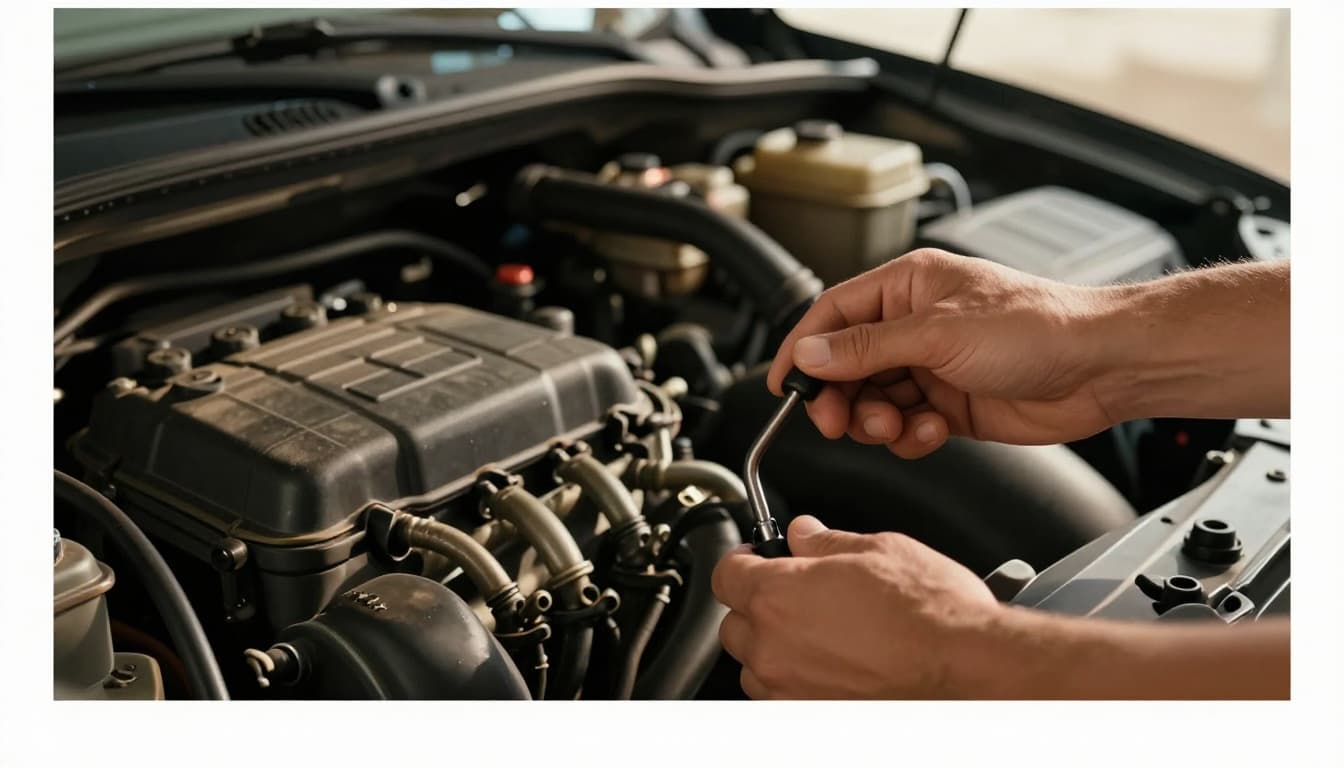
Oil Changes Done Right Every Time
Warm the engine first. Drain old oil from the pan plug. Let it drip. Swap the filter. Torque it snug. Pour new oil to the full mark. Run the motor. Check for leaks.
This cleans internals and cuts friction. Modern synthetics handle longer runs. Follow your manual. Costs stay low at home.
Monthly Fluid Inspections You Can Do in Minutes
Coolant sits in the radiator overflow. Pink or green hue means good. Top with the match. Brake fluid reservoir near the firewall. Clear fluid rules. Cloudy spells trouble.
Transmission dipstick often red. Low levels grind gears. Discolor means flush time. These checks take five minutes. Prevent failures.
Tire Maintenance for Safer Drives and Better Mileage
Tires grip the road. They affect safety, turns, and gas use. Underinflated ones overheat. That wastes fuel and risks blowouts. Proper pressure saves 3-5% on mpg.
Check monthly. Cold tires match door sticker PSI, often 28-36. Cold weather drops pressure. Add air as needed.
Rotation evens wear. Gain up to 10,000 miles. Minimum tread hits 2/32 inch legally. Aim for 4/32 in wet.
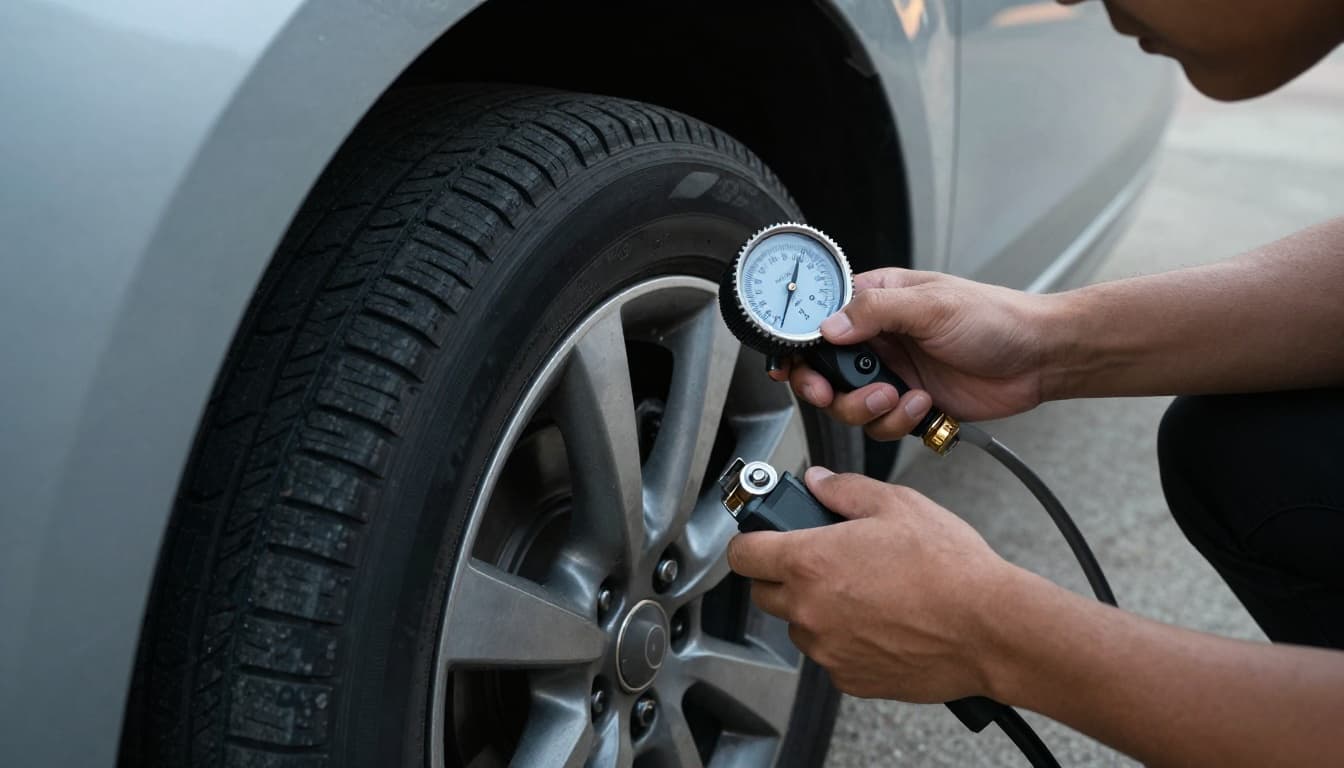
Check Pressure and Rotate Like a Pro
Grab a $10 gauge. Press on the stem. Read PSI. Inflate to spec. For rotation, front-wheel drive swaps front-to-back, rear cross. All-wheel follows patterns in manuals.
Jack up if DIY. Tools stay cheap. Monthly checks beat flats.
Spot Worn Tires Before They Fail
Look for cracks or bulges. Uneven edges signal alignment needs. Penny test: Lincoln’s head hidden means okay. Shows at 2/32.
Replace pairs for balance. Better grip in rain. Safer stops.
Brakes and Battery: Safety Checks You Can’t Skip
Brakes save lives. Worn pads grind rotors. Cost jumps. Battery powers starts and electronics. Dead ones strand you.
Listen for squeals. Feel pedal pulse. Dashboard lights warn. Clean battery terminals quarterly. Test voltage at 12.6V resting.
Modern cars need yearly electrical scans for sensors.
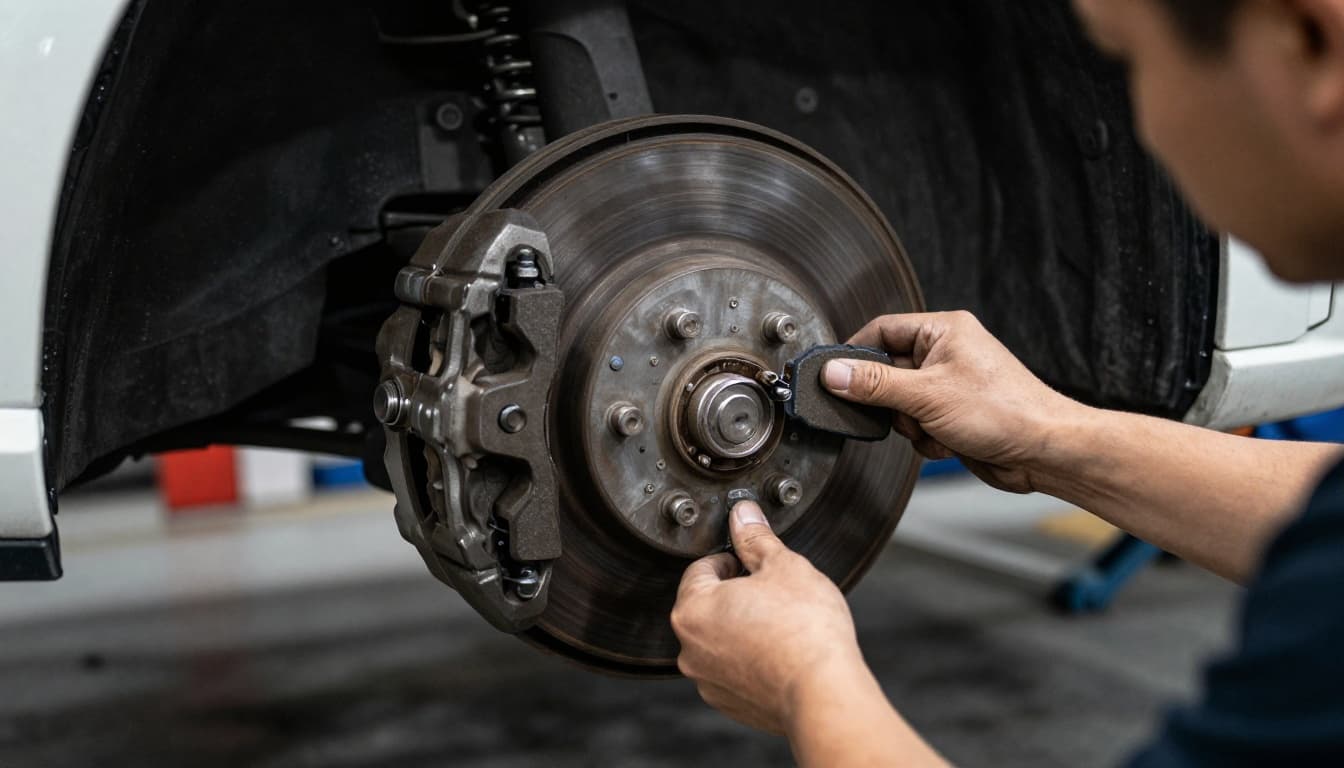
Early Brake Warnings to Save Big on Repairs
Grinding means metal on metal. Soft pedal signals air or leaks. Lights flash for low fluid. Get pro eyes if unsure. Pads last 25,000-50,000 miles.
Flush fluid every two years. Avoid $500 rotor jobs.
Battery Care to Dodge Dead Battery Drama
Mix baking soda and water. Scrub corrosion. Rinse. Dry. Multimeter checks volts. Load tests at stores confirm strength.
Three-year-old batteries weaken. Swap proactively.
Seasonal Habits and Smart Driving for Extra Longevity
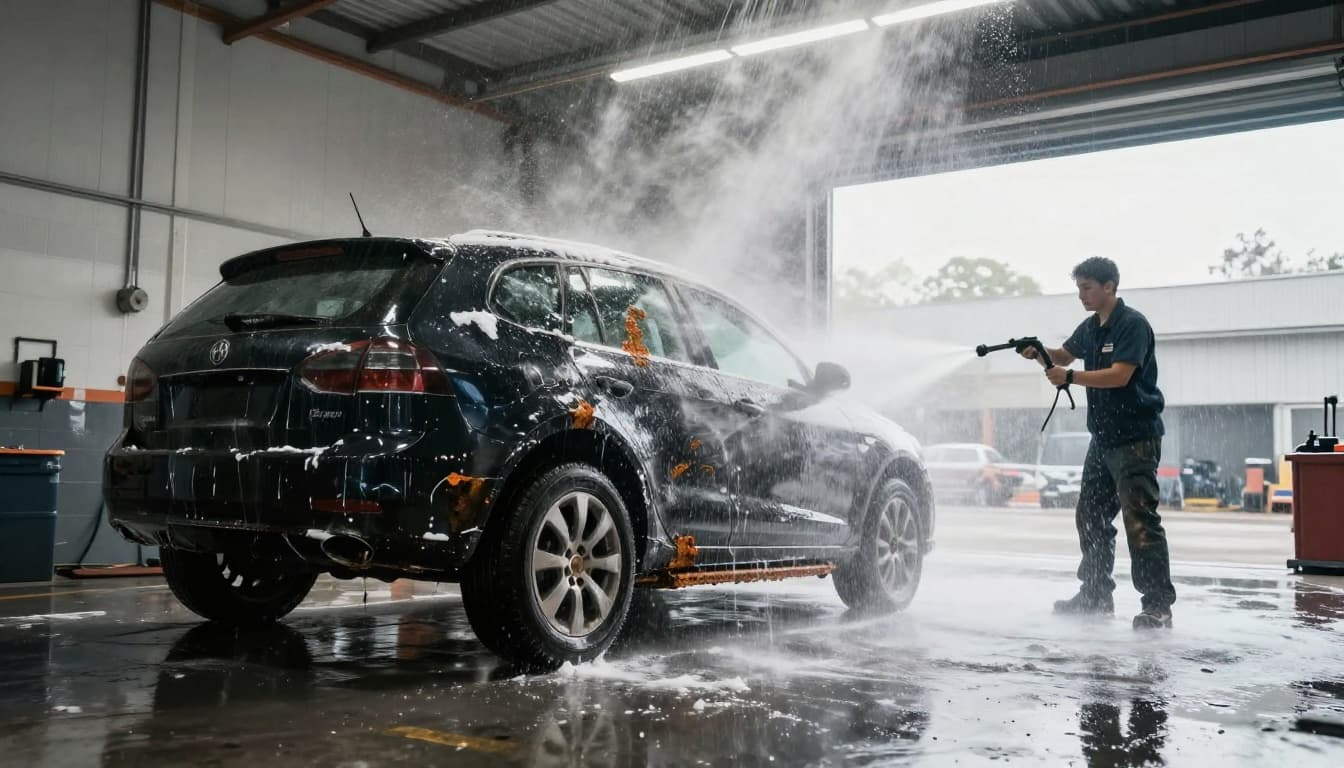
Winter salt rusts underbodies. Spring wash removes it. Pressure spray the frame. Check for holes.
Drive smooth. No jackrabbit starts. Ease into brakes. Change air filter yearly. Eye belts and hoses for cracks.
These habits extend life. Fuel savings add up.
Build that schedule today. Keep fluids topped. Rotate tires regular. Watch brakes and battery close. Add seasonal smarts. Your car runs reliable for years.
Fewer tows mean safer trips. Repairs drop. That road trip cash funds fun instead. Grab your keys. Do one check now. Share your wins in comments. Subscribe for more tips. What’s your first step?