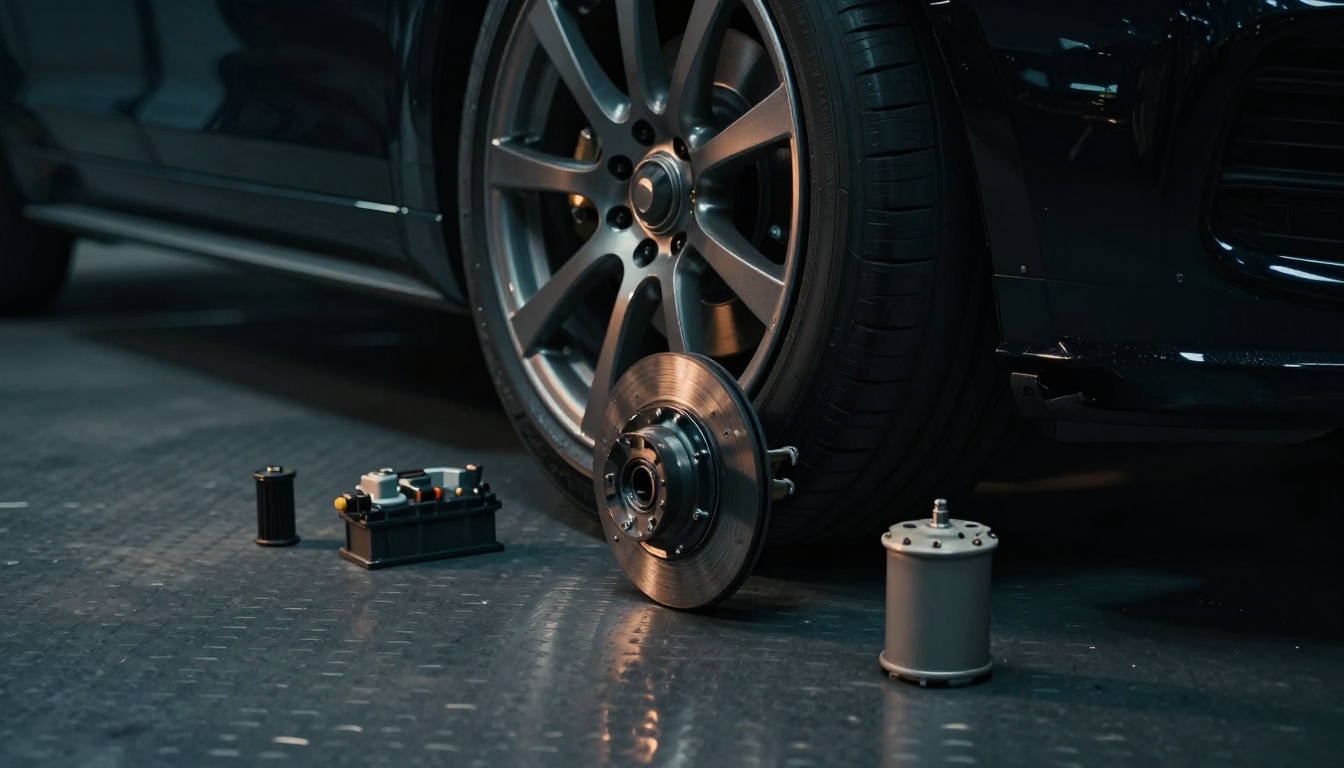
Picture this: Your buddy waves goodbye after a quick tire check at the shop. Days later, he dodges a pothole that shredded someone else’s tire, costing $900 for a new set. Routine maintenance like that saves headaches and wallets every day.
You drive everywhere, so breakdowns hit hard. Sudden repairs average $500 to $600, and major ones like engines top $10,000. Plus, faulty parts risk your safety on busy roads.
The fix? Focus on key areas: tires, brakes, engine oil and filters, battery, fluids, and suspension. These prevent most issues, cut yearly costs to about $900, and extend your car’s life. For example, fresh oil stops wear that leads to big bills.
As EVs grow in 2026, add high-voltage batteries and smart sensors to your list. They boost efficiency and safety features like auto-braking. Owners who check them save 30 to 50 percent over gas cars on upkeep.
Ready for simple steps anyone can follow? We’ll break down each part next, so you stay safe and spend less.
Tires and Brakes: Prioritize Safety First
Your tires touch the road at four small spots, about the size of your hand. That’s your only grip for steering, accelerating, and stopping. Brakes rank as the top safety feature because they prevent crashes and even save fuel through efficient use. Both wear out fast from summer heat, winter salt, and potholes. Check them often to avoid skids or sudden stops that lead to accidents.
Start with tires. Good tread boosts handling and cuts fuel use by 3 to 5 percent. Rotate them every 5,000 to 8,000 miles for even wear. Align wheels yearly, especially after hitting curbs. Check pressure weekly with a gauge; low air causes pulling and blowouts.
Spotting Tire Trouble Before It Strands You
Look for low tread first. Uneven wear means alignment issues. Your car pulls to one side? Tires might bulge or have sidewall cracks. The TPMS light warns of pressure drops.
Do the penny test at home. Insert a penny into the tread groove with Lincoln’s head down. See his head? Replace the tire; depth sits below 2/32 inch. For details on this quick penny test, check reliable guides.

Inspect tread monthly. Feel for smooth spots or bulges. Rotate tires to extend life; front ones wear faster from steering and weight.
By 2026, smart tires change everything. Embedded sensors track pressure, temperature, and wear in real time. Brands like Pirelli’s Cyber Tire and Michelin’s CES tech send app alerts for grip loss. EVs love them for range boosts. Fleets cut downtime with predictions, so expect them on new cars soon.
Brake Checks That Could Save Your Life
Brakes demand attention because moisture sneaks into fluid, cutting power by 50 percent or more. Change it every two years. Listen for squealing; dust causes it but signals wear. Grinding means metal on metal, so stop driving.
A spongy pedal or long stops spell trouble. Pads thin out fast in stop-and-go traffic. Inspect every 10,000 miles or yearly.

DIY checks help. Park on level ground. Pump the pedal; it should feel firm. Jack up a wheel and spin it; grab the rotor to feel drag. Pros spot hidden issues like corroded lines.
In 2026, sensors predict failures, especially on trucks where 15 percent fail winter checks. EVs use regen braking less on pads but need rust-proof coatings. Regular looks save lives and cash.
Engine Oil, Filters, and Fluids: Fuel Smooth Performance
Engine oil slicks through tight spaces to lubricate pistons and bearings. It pulls heat away too, so parts don’t seize up. Filters trap dirt that grinds metal. Other fluids shield your transmission from wear and keep coolant flowing to stop overheating. Neglect them, and you face engine failure or $5,000 rebuilds. Fresh ones prevent that mess. Check weekly, and swap on schedule to save big.
Oil and Filter Swaps Made Simple
Synthetic oil beats conventional because it resists breakdown from heat and friction. Modern engines with turbos demand it; most 2026 models run 7,500 to 10,000 miles between changes. Always peek at your owner’s manual for exact miles. Hybrids still need these swaps since their gas engines churn oil just like gas cars. EVs skip oil entirely.
Spot trouble early with dashboard clues. The oil light blinks for low levels or pressure drops. Rough idle or knocking sounds mean dirty oil can’t cushion parts. Leaks leave dark puddles; overheating follows if ignored. For more on these critical signs your car needs oil, drivers spot issues fast.
Pull the dipstick weekly for a quick routine. Wipe it clean, reinsert, and pull again. Oil should hit the full mark and look amber, not black and gritty. Top off if low, but don’t overfill. Air filters last 15,000 to 30,000 miles; swap cabin ones yearly for clean air. These steps stop sludge buildup and extend engine life.

Change oil every 5,000 to 6,000 miles in heavy traffic. Otherwise, synthetic holds up longer. Simple DIY checks catch problems before they strand you.
Fluid Levels You Can Check in Minutes
Coolant guards against boil-overs; check it monthly on a cold engine. Fresh looks bright green or orange. Rusty brown signals corrosion, so flush it. Brake fluid stays clear or light amber in DOT 4 types. Dark brown means moisture ate it; swap every two years to keep stopping power sharp.
Transmission fluid runs pink or red when new. Burnt brown with a spicy smell warns of slip. Most need checks at 30,000 miles. Park level, pull the dipstick, and wipe before reading.

Learn leaks by color to act fast. Green means coolant; red points to transmission, per this guide on fluid leak colors. Add just to the full line; overfill foams and starves parts. These five-minute peeks prevent seizures and slips. Do them before every long trip.
Battery and Suspension: Reliability You Can Count On
Your battery starts the engine and powers lights, sensors, and infotainment. Modern cars drain it faster because they run high electrical loads from advanced features. Suspension keeps wheels planted for steady handling and even tire wear. Neglect either, and you risk stranding or uneven road contact. Check them often to avoid those hassles. In fact, batteries fail more in cold weather, while potholes wreck suspension yearly.
Battery Tests to Avoid Cold-Start Nightmares
Cold snaps kill batteries because low temps slow chemical reactions inside. You hear a slow crank or see dim lights? Test it right away. Modern cars with sensors and EVs pull extra power, so 12V batteries fail quicker and can cost $3,000 to fix in hybrids.
Test every six months, especially before winter. Use a load tester; it checks voltage under strain like starting. A good battery holds above 9.6 volts for 15 seconds. For step-by-step on how to perform a battery load test with a multimeter, follow proven guides.

Prep for winter by charging fully before freezes, but keep EVs at 60-70% daily. Precondition batteries while plugged in to warm them. For EVs, install over-the-air software updates; they tweak charging and add range. Short trips drain batteries most, so drive longer weekly. Jump-starts work if done right: connect positive first, then negative to ground. These steps prevent cold-start woes and stranding.
Suspension Fixes for a Smoother Ride
Potholes bend struts, loosen ball joints, and crack shocks. In 2026, 10% of US drivers face repairs from them, averaging $500 per hit. EVs suffer more from extra weight. Bumpy rides or pulling signal trouble; it also chews tires unevenly.
Inspect yearly or after potholes. Bounce each corner; it should settle fast. Listen for clunks over bumps. Check for leaks on shocks. For signs your suspension needs repair after potholes, watch vibrations and steering wander.

Align wheels soon after impacts; crooked ones wear tires fast. Replace worn parts to restore handling. Therefore, you save on tires and stay safe. Simple fixes keep rides smooth and costs low.
2026 Trends and Quick Daily Checks for All Drivers
Busy schedules make maintenance tough, but quick habits keep you rolling without surprises. In 2026, hybrids top reliability charts because they mix gas smarts with electric ease. EVs cut costs too, with no oil changes and regen braking that spares pads. However, software updates and preconditioning become must-dos. Owners who plug in and preheat cabins save range in cold snaps. Connected apps send alerts for issues, so you fix them early.
Trends That Save Time and Cash
Hybrids beat full EVs in surveys for fewer headaches. Toyota and Honda lead because their powertrains hold up best. For EVs, precondition via app; it pulls grid power instead of battery juice. In short, you gain miles without effort.
Most cars connect now. Apps push over-the-air fixes for bugs or new features. Check monthly, or ADAS like auto-brake might glitch. After wiper swaps or bumps, recalibrate sensors at dealers; costs run $100 to $500 but prevent warnings. For repairs that trigger ADAS calibration, know the list to stay safe.
Climate matters too. Run AC monthly in heat to avoid compressor seize. In salt areas, rinse underbody weekly; rust eats suspension fast. Always grab your owner’s manual first. It spells exact schedules, so you skip guesswork and save thousands.

Daily Checks in Under Five Minutes
Start your engine and scan the dash. Yellow lights mean check soon; red demands you stop. Learn symbols with dashboard warning light guides. Apps like connected car trackers remind you too.
Test lights weekly: headlights, brakes, signals. Swap wipers every six to 12 months; bad ones streak and blind cameras. Recap filters briefly: air ones last 15,000 miles, cabin yearly for fresh air.
Here’s a quick checklist for busy drivers:
- Tires: Gauge pressure cold; add air if low.
- Lights and wipers: Cycle them; replace streaky blades.
- Dash warnings: Note any lights, scan codes with OBD tool.
- Software: Check app for updates or alerts.
These steps catch 80 percent of issues early. You spend less and drive safer.
Conclusion
Tires, brakes, oil, battery, fluids, and suspension top the list for maintenance. Check tires weekly for pressure and tread. Swap oil every 5,000 to 10,000 miles, depending on your manual. Test brakes and battery every six months or 10,000 miles. Peek at fluids monthly, and inspect suspension yearly after potholes.
Here’s a quick recap:
- Tires: Pressure weekly; rotate 5,000-8,000 miles.
- Brakes: Pads and fluid every 10,000 miles or two years.
- Oil and filters: Change 5,000-10,000 miles.
- Battery: Load test every six months.
- Fluids: Levels monthly; brake fluid every two years.
- Suspension: Check yearly or post-pothole.
Set up a maintenance calendar or app reminders now. These habits dodge blowouts, breakdowns, and $500-plus repairs.
You gain safer roads, lower bills, and a car that lasts longer. Your buddy’s tire check proved it; make yours routine too. Share your top tips in the comments, bookmark this for quick reference, or schedule that first check today. Drive on!