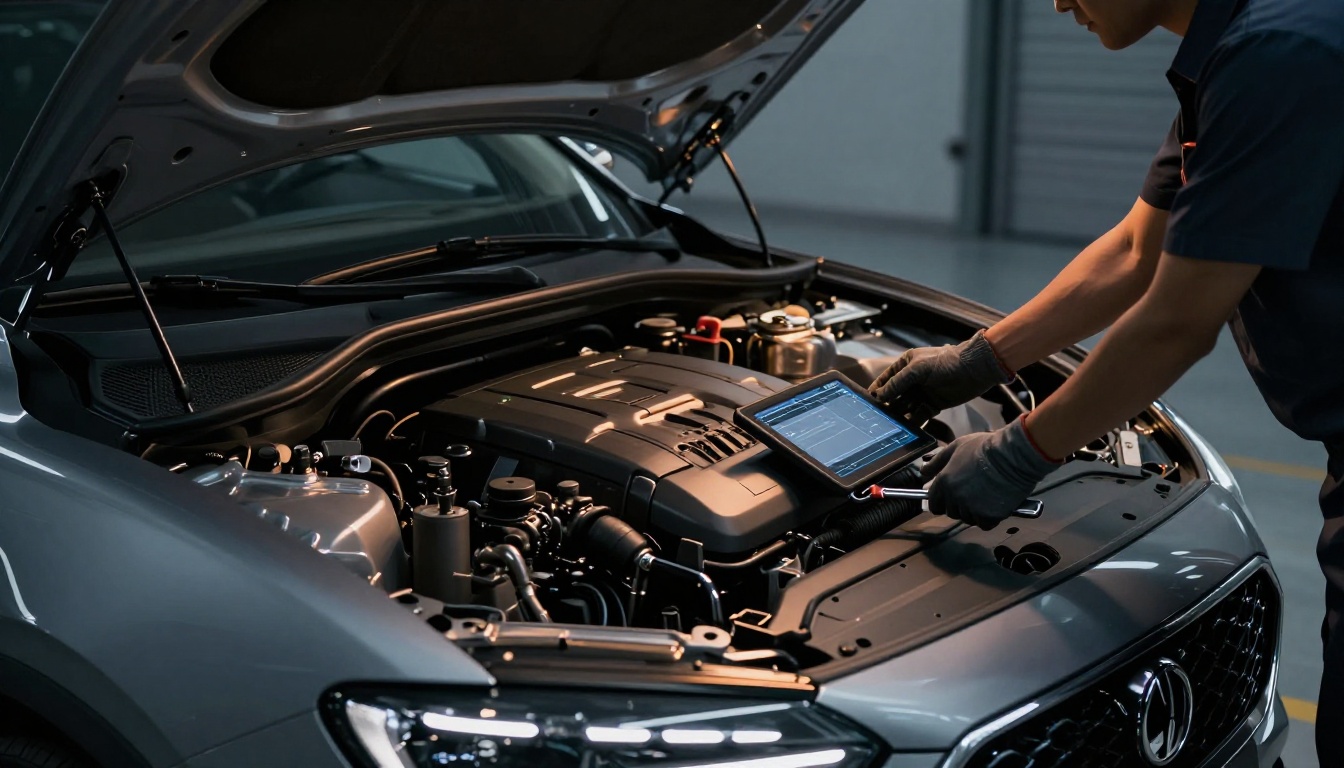
Picture this. You’re driving home after work when your engine sputters and dies on a busy highway. A skipped oil change caused it. Car service schedules prevent these headaches. They keep your vehicle safe and cut repair bills.
Experts like AAA and Carfax agree schedules vary by make, model, and driving habits. Yet general rules apply. Gas cars average $900 yearly maintenance in 2026. Hybrids fall in between. EVs cost less overall.
This post covers standard timelines, factors that speed them up, differences across vehicle types, warning signs, and smart tips to save cash. You’ll know exactly how often to service your car. Let’s start with the basics.
Key Services and How Often They Happen
Most services follow whichever comes first: miles driven or months passed. Always check your owner’s manual first. It lists exact needs for your ride.
Here’s a quick summary of common tasks. Costs come from recent US averages.
| Service | Interval (Miles/Months) | Avg. Cost | Notes |
|---|---|---|---|
| Oil change (gas/hybrid) | 5,000-7,500 / 6 | $35-75 | Synthetic lasts longer, up to 10,000 miles. |
| Tire rotation | 5,000-7,000 / 6 | $20-50 | All vehicles; check pressure monthly. |
| Air/cabin filters | 10,000-15,000 / 12 | $50-100 | Replace sooner in dusty areas. |
| Brake inspection | Every 6,000 miles | $50-100 | Pads last 15,000-50,000+ miles by type. |
| Transmission fluid | Inspect 30,000; replace 60,000 | $150-300 | Check level yearly. |
| Coolant flush | 30,000-60,000 miles | $100-200 | Inspect every 3 months. |
| Spark plugs (gas/hybrid) | 30,000-100,000 | $100-500 | Iridium types last longer. |
| Battery check | Every 6 months | $20-50 | Free at most shops. |
These keep things running smooth. For example, AAA recommends sticking close to these for safety. Neglect them, and small issues grow.
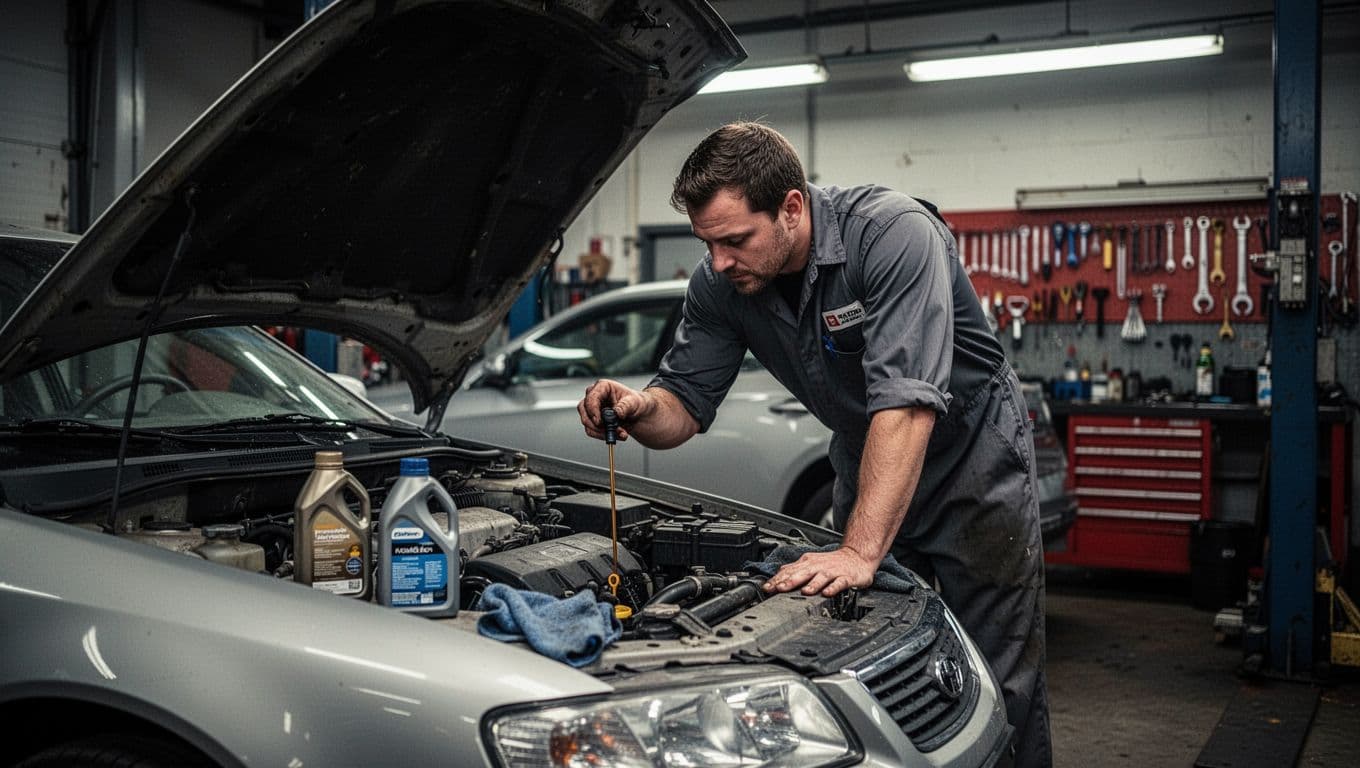
Oil Changes: The Heartbeat of Engine Health
Oil lubricates your engine. It cuts friction and clears dirt. Dirty oil thickens and harms parts.
Check levels monthly. Look for dark, gritty fluid on the dipstick. Change it on schedule. Synthetic oil holds up better. So it stretches to 10,000 miles in easy conditions.
Skip it, and you’ll face engine failure. That’s expensive. Carfax explains oil change timing based on your model.
Tires and Brakes: Safety Essentials You Can’t Ignore
Tires need monthly pressure checks. Cold weather drops it 1 PSI per 10-degree fall. Rotate them often. This evens wear.
Brakes last longer on hybrids and EVs. Gas cars hit 15,000-20,000 miles per pad set. Regenerative braking on electrics doubles that.
Inspect brakes every oil change. Squeals mean trouble. Safe tires and brakes save lives.
Filters, Fluids, and Batteries: Quick Checks That Prevent Big Problems
Air filters clog after 10,000 miles. They hurt fuel economy. Cabin filters freshen air. Swap them yearly.
Coolant prevents overheating. Flush it every 30,000 miles. Transmission fluid inspection avoids slips.
Batteries weaken in cold. Test them every spring. A weak one strands you.
What Makes Your Service Schedule More Frequent?
Time and miles both count. High use or tough conditions shorten intervals. Your habits matter most.
City drivers with short trips need oil every 3,000 miles. Towing cuts tire life in half. Apps track this for you.
Tough Driving Conditions and Weather Impacts
Stop-and-go traffic heats oil fast. So change it every three months. Towing stresses brakes and fluids.
Winter salt dirties filters quick. Summer scorches coolant. AAA’s seasonal tips help here.
Dust or mountains mean more filter swaps. Adjust based on your roads.
Age and Mileage: When Older Cars Demand Extra Care
Cars over five years old need belt checks. Inspect before warranty ends. Bundle at 36,000 or 60,000 miles.
High miles wear parts faster. Older rides demand fluid tests often. AAA covers milestone services.
Service Differences for Gas, Hybrid, and Electric Vehicles
Gas cars need full engine care. Hybrids mix it up. EVs simplify things.
| Type | Key Services | Frequency | Annual Cost Est. |
|---|---|---|---|
| Gas | Oil, spark plugs, fluids | Every 5k-7k miles | ~$900+ |
| Hybrid | Oil + battery checks | Similar to gas | Medium |
| EV | Tires, brakes, cabin filter | 10k miles or yearly | Lowest |
EVs skip oil. Their batteries last 8-10 years under warranty.
Gas Cars: Traditional Tune-Ups Explained
Follow the table above. Oil every six months tops. Check brakes often. Spark plugs every 30,000 miles minimum.
Hybrids: Blending Gas and Electric Needs
They need gas services plus hybrid battery scans. Regenerative brakes extend pad life. Oil stays key.
EVs: Simpler but Still Important Routines
No oil or plugs. Rotate tires at 6,250 miles. Cabin filter yearly for AC. Recharged details Tesla schedules. Apps alert you.
Warning Signs That Scream ‘Service Me Now’
The check engine light blinks first. Don’t ignore it.
Grinding brakes or pulling mean alignment issues. Leaks under the car signal fluid loss. Vibrations point to tires or belts.
Burning smells or weak AC need quick looks. Overheating demands a stop. Dead battery starts happen after cold snaps.
Act fast. Tie signs to your last service. It saves breakdowns.
Budget-Friendly Tips for Staying on Top of Maintenance
Gas cars run $900 yearly. EVs drop to under $500. Hybrids sit middle.
Do monthly DIY checks. Pop the hood for oil. Kick tires for wear.
Bundle services at shops. Get quotes from independents. AAA lists approved spots.
Use synthetic products. They last longer. Apps like Carfax remind you. Schedule a full check this spring 2026.
Shop around. Track costs in notes.
Your manual sets the baseline. Factors like weather or miles adjust it. Watch for signs and match your vehicle type.
Grab your owner’s manual today. Book that next service. Share this if it helped.
Ever wonder if EV maintenance saves real money? Yes. No oil cuts costs big time.
How often do you service your car? Drop a comment below. Safe drives ahead.