
You pull into the shop after a warning light flashes. The bill hits $1,200 for a fix you could have caught early. Sound familiar? That stings because your car’s owner manual holds the fixes right there, tailored to your exact model and year.
Manuals pack details on fluids, schedules, and symbols specific to your ride. In 2026, many offer digital versions through manufacturer apps or sites. These include searchable text and EV battery tips. You get updates on tire pressures or hybrid checks too.
This guide walks you through key sections step by step. You’ll learn best ways to scan it fast, spot schedules, check basics safely, and skip traps. Follow along, and you’ll handle upkeep with confidence. No more surprise bills.
Navigate Your Manual Like a Pro: Find What You Need Fast
Grab your glovebox stash or download the PDF from your maker’s site. Start here to skip the fluff. Manuals run thick, but smart navigation saves time.
Paper versions have tabs or color codes. Digital ones add hyperlinks. Always check the date; 2026 updates cover new tech like adaptive cruise tweaks.
Safety comes first. Read warnings before any job. Park on level ground. Turn off the engine.
Master the Table of Contents and Quick Reference Guide
Flip to the front pages right away. The table of contents lists chapters like “Maintenance” or ” Fluids.” Subsections break it down further, such as oil types or fuse locations.
Quick reference guides sit near the start. They cover emergencies, like jump-starts or flat tire steps. In 2026 digital manuals, tap “oil change” for instant jumps. For example, Consumer Reports explains how these tools reveal hidden features.
Print key pages for your toolbox. Or use phone apps from Ford or Chevy for offline access. This setup keeps you ready.
Decode Warning Symbols to Stay Safe
Symbols glow on your dash for a reason. Ignore them, and damage follows. A yellow triangle means caution. Act soon.
Red slashed circles signal stop now, like brake issues. Exclamation marks flag urgent checks.
Common ones include:
- Oil can with drip: Low pressure. Pull over and check levels.
- Tire with exclamation: Pressure low. Inflate to spec.
- Battery icon: Charging fault. Test terminals.
- Wrench or engine outline: Service due.
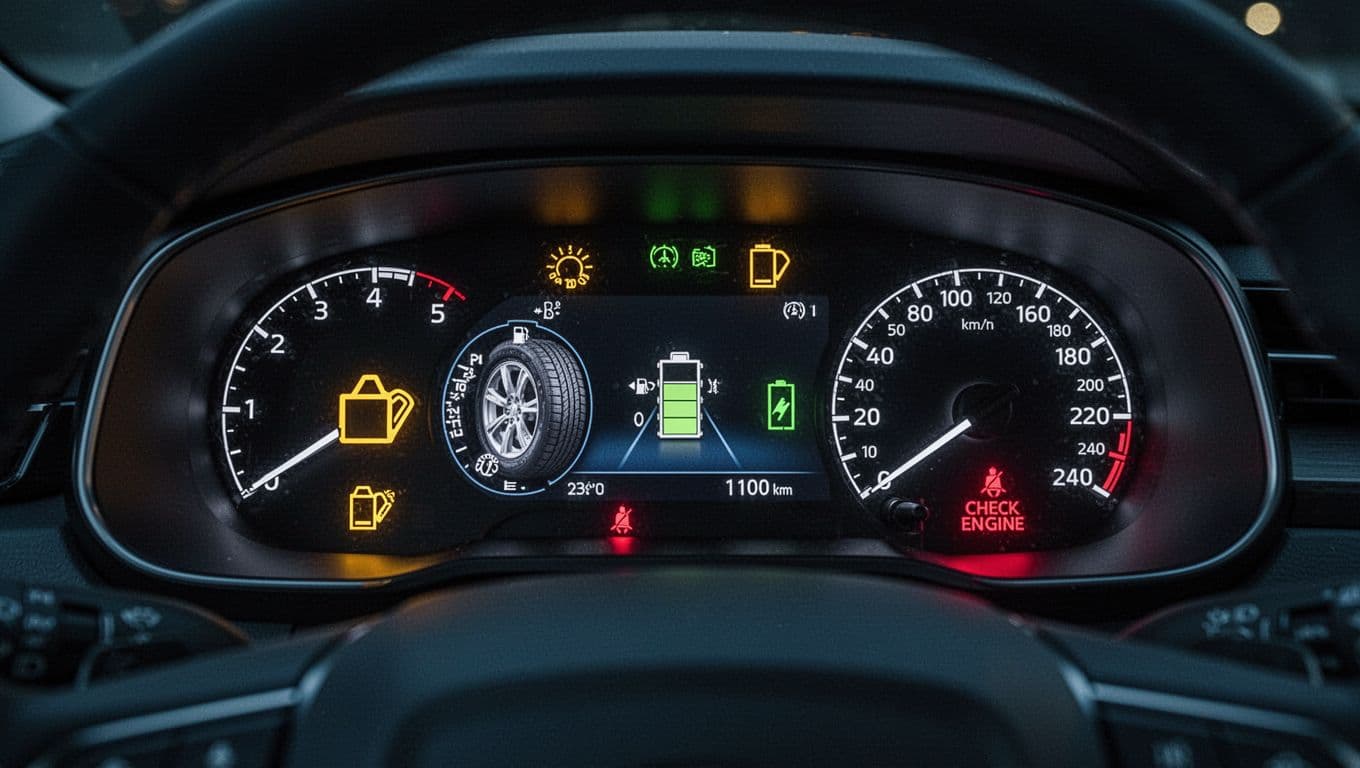
For full meanings, match your dash to the manual’s symbol glossary. Sites like Car and Driver break down these lights. Check oil right away if it flashes; low levels seize engines.
Unlock Your Maintenance Schedule for Timely Upkeep
Schedules prevent most breakdowns. Yours lists tasks by miles or months. Miss them, and warranties void.
Charts show intervals like 5,000 miles for basics. Or yearly for belts. Tailor to your habits.
Stick close because costs rise otherwise. A skipped filter clogs fast.
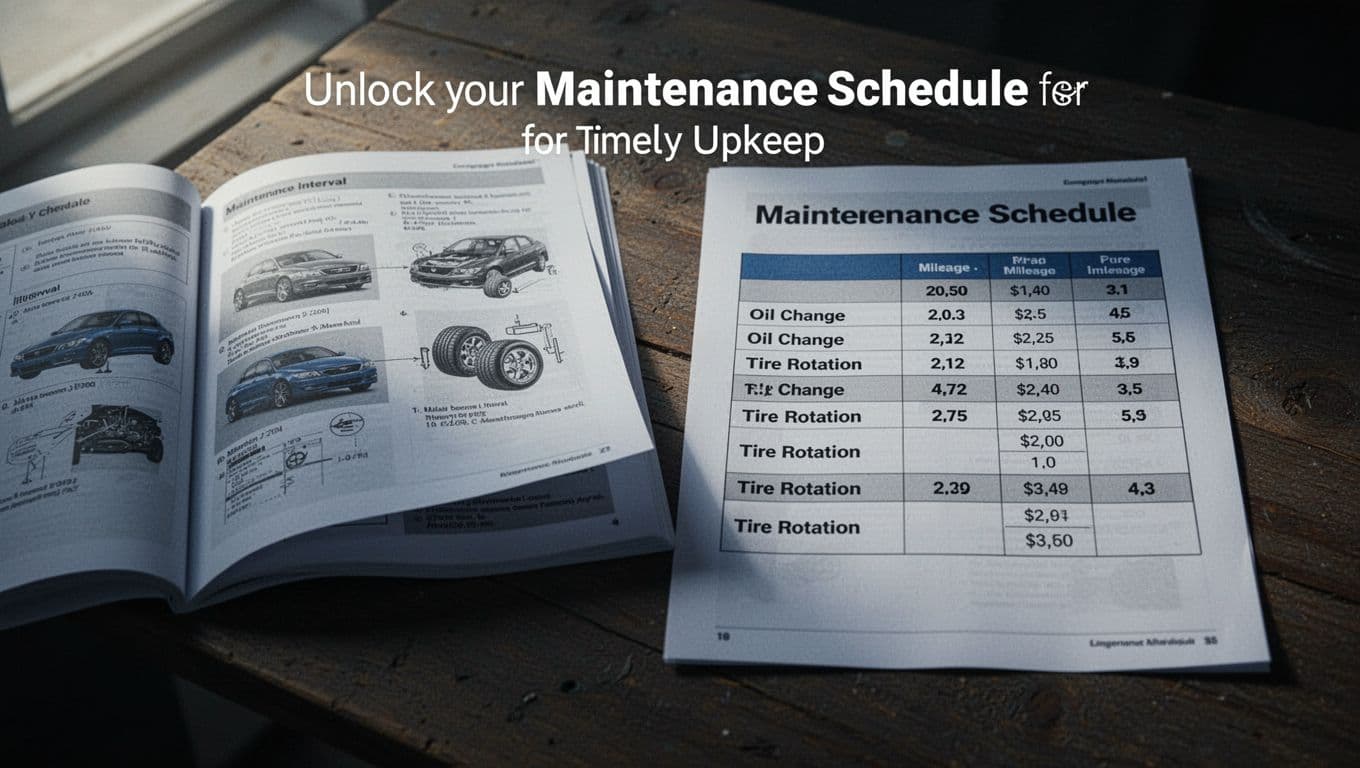
Here’s a sample chart from typical 2026 manuals. Adjust for your model.
| Miles/Months | Oil & Filter | Tires Rotate | Air Filter | Battery Check |
|---|---|---|---|---|
| 5,000/6 | Change | Yes | Inspect | Visual |
| 10,000/12 | Change | Yes | Replace | Test |
| 30,000/36 | Change | Yes | Replace | Full Service |
This keeps parts fresh. Log dates after each service.
Interpret Mileage and Time Intervals Correctly
Schedules split normal and severe use. Normal means highway miles. Severe covers city stops or dust.
Oil might hit every 7,500 miles normal, but 5,000 in heat. Time caps it too, like 12 months max.
Read rows left to right. “I” means inspect. “R” says replace. Racer 86 details action words like these.
Track odometer resets. Apps remind you now.
Match Tasks to Your Driving Style
City drivers need more frequent stops. Towing adds strain.
Short trips under 10 miles build condensation. Manuals note this for fluids.
EVs check batteries every 10,000 miles. Note regen braking wear. Your 2026 guide customizes it all.
Perform Key Checks: Fluids, Tires, Battery, and Easy DIY Jobs
Hands-on work starts simple. Manual specs match your car. Wrong moves harm parts.
Park cool. Wear gloves. Tools match sizes listed.
DIY stays basic: levels, wipes, fuses. Pros handle belts or timing.
Step-by-Step Fluid Level Checks and Top-Offs
Start with oil. Pop hood. Find dipstick, often yellow.
Pull it, wipe clean, reinsert fully. Pull again. Level sits between marks.
Check cold for accuracy. Top with manual type only; synthetics vary.
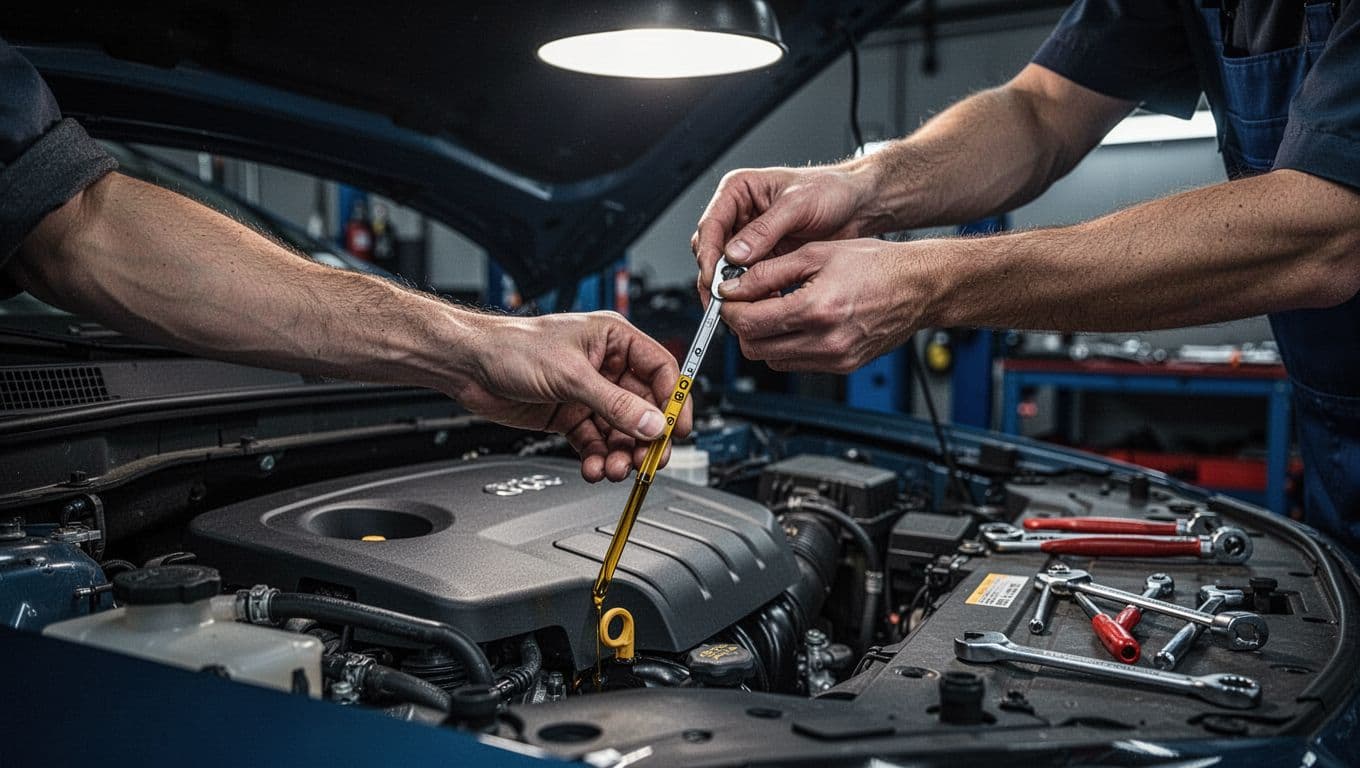
Coolant sits in plastic tank. Unscrew cap slow if hot. Brake fluid clear reservoir. Wrong types corrode seals.
Monthly runs keep you safe.
Tire Pressure, Rotation, and When to Replace
Door jamb sticker lists PSI, cold tires. Gauge at stems.
Fronts often run higher. Check weekly; heat drops pressure.
Rotate per pattern in manual: front to rear cross. Every 5,000-8,000 miles.
Tread depth hits 2/32 inch min. Penny test: Lincoln’s head down means replace.
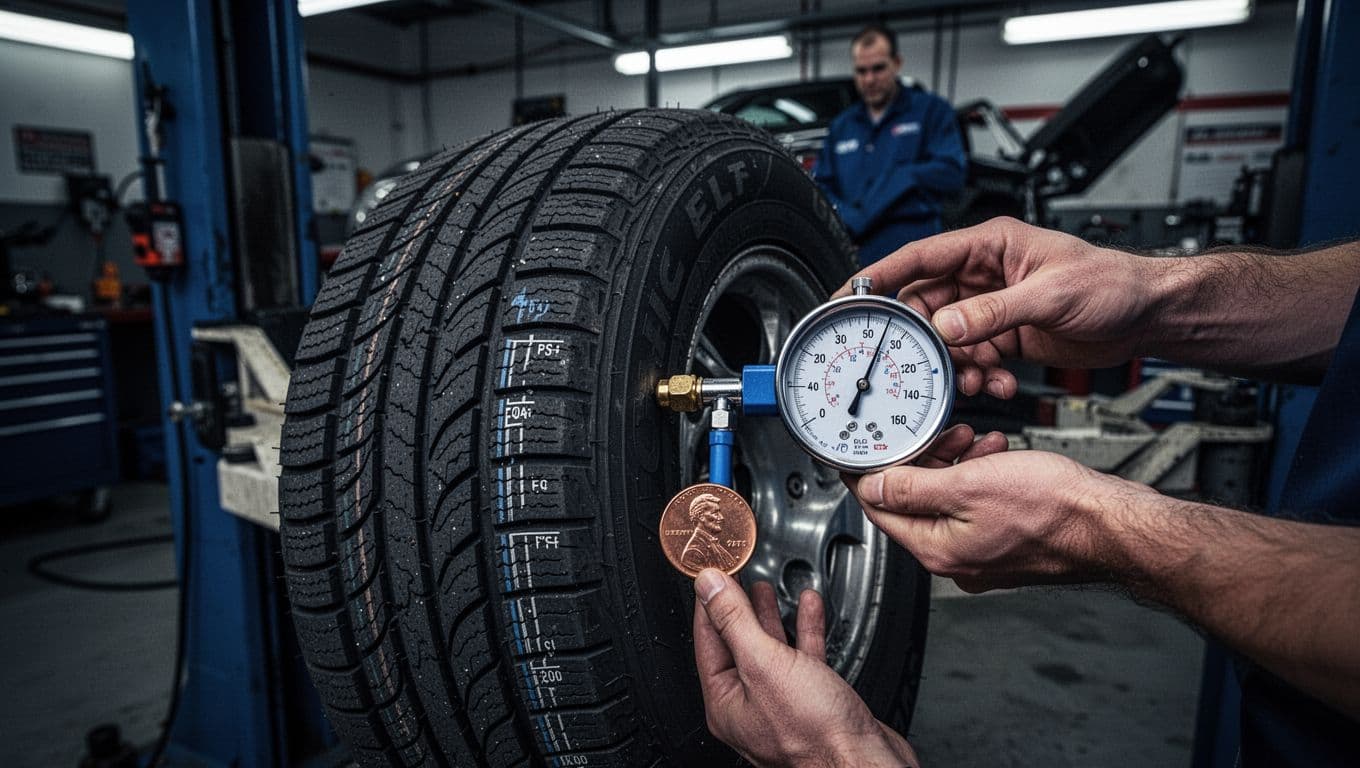
2026 run-flats last longer but check anyway.
Battery Care for Gas and Electric Vehicles
Visual scan first. Corrosion means clean with soda water.
Multimeter tests volts: 12.6 good. Load test at stores free.
EVs watch charge cycles. Manual notes thermal checks.
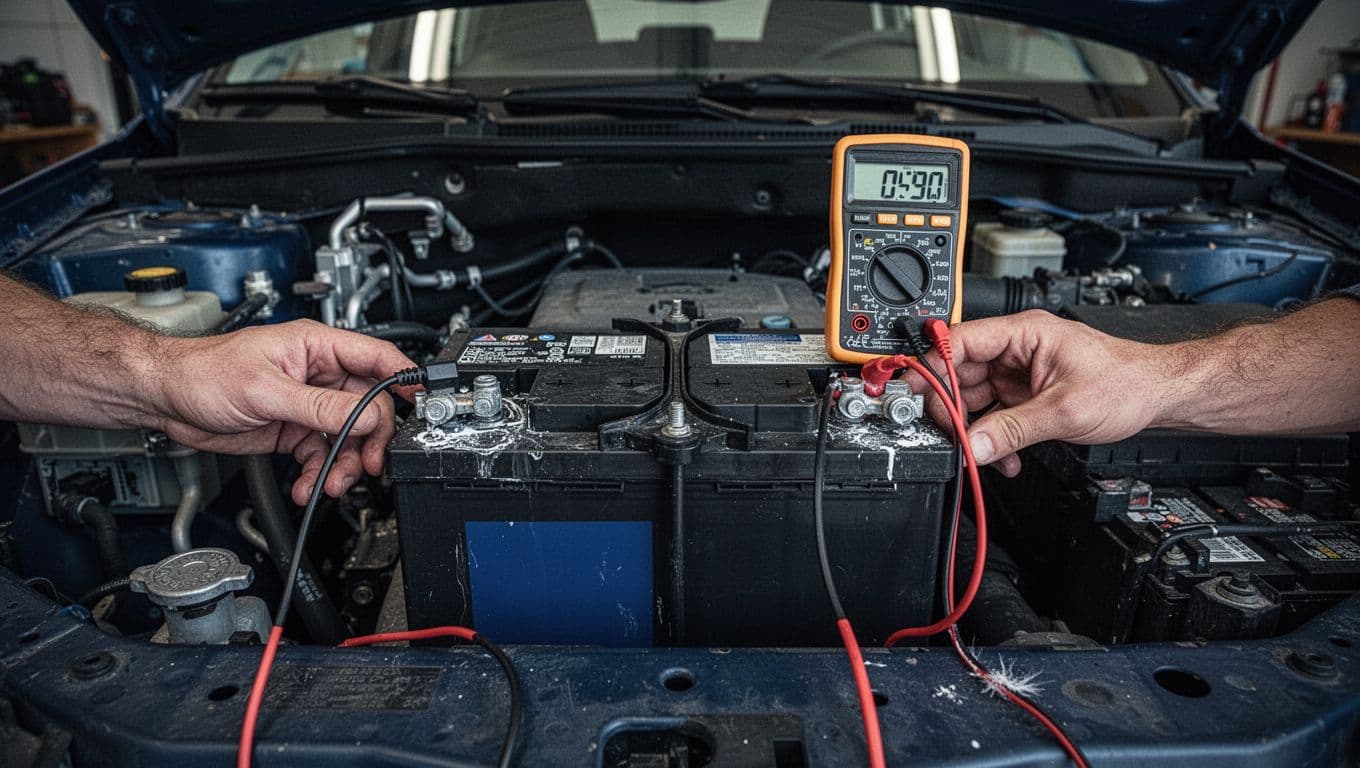
Clean terminals yearly. Gas batteries last 3-5 years.
Dodge Common Traps and Leverage 2026 Manual Upgrades
Errors cost big. Wrong oil ruins engines. Skip schedules, and parts fail early.
Yet 2026 manuals add smarts. Apps link to your VIN for updates.
Mistakes That Cost You Big and How to Avoid Them
Top slip: Ignore warnings. Lights mean act now.
Use generic fluids. Match viscosity exactly.
Overlook severe conditions. Dusty roads demand tighter spacing.
Real talk: Low oil seized a motor last month. Check weekly.
New 2026 Features Like Digital Keys and EV Sections
Download via Kia or Ford sites. Searchable PDFs beat paper.
Bluetooth keys setup in apps. Profiles save seats, mirrors.
EVs get regen tips, battery preheat. Ford’s 2026 Mach-E manual covers this.
Register for alerts. Biometrics lock some trunks.
Grab your manual today. Scan contents, follow schedules, check fluids and tires safely. Dodge pitfalls with digital perks.
You’ll save cash and drive worry-free. Pop it open now or download fresh. Share your first win below. What’s your next check? Safer roads ahead.