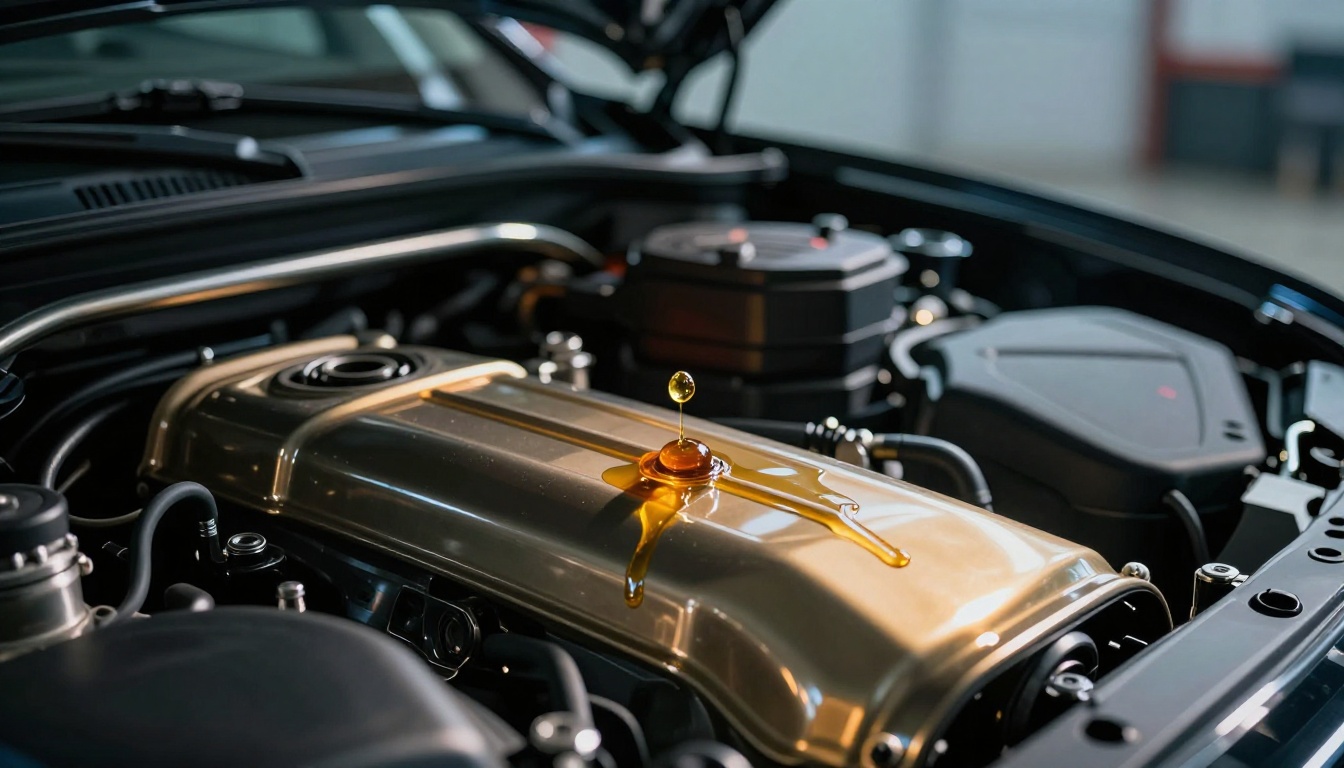
Picture this: you’re cruising down the highway when your engine suddenly seizes up. Smoke billows from the hood. A tow truck arrives, and the bill hits thousands because you skipped oil changes. That nightmare happens more often than you think.
You want to avoid it. Knowing when to change your car oil keeps your engine smooth and your wallet intact. In 2026, intervals stretch from 5,000 to 10,000 miles, depending on oil type, your driving style, and maker specs. No more guessing.
This post breaks it down. We’ll cover factors like oil type and road conditions, guidelines from top brands, warning signs that scream “change now,” common myths, and smart tracking tips. By the end, you’ll know exactly when to act for your ride.
Key Factors That Set Your Oil Change Schedule
Oil keeps your engine’s parts sliding without friction. It picks up dirt, heat, and moisture over time. Change it too late, and those parts wear out fast.
Most cars hit 5,000 to 10,000 miles or 6 to 12 months between changes under normal use. Severe conditions drop that to 5,000 to 7,500 miles. Always start with your owner’s manual or oil life monitor. Those give the best advice for your setup.
For example, long highway trips let oil last longer. City stop-and-go burns it quicker. Time counts too. Even low-mile drivers need changes yearly because oil breaks down.
Here’s a quick look at intervals by oil type in 2026:
| Oil Type | Typical Interval (Miles) | Best For |
|---|---|---|
| Conventional | 3,000-5,000 | Older cars, mild use |
| Synthetic | 7,500-10,000 (up to 15,000) | Modern engines, heat |
| High-Mileage | 5,000-7,500 | Vehicles over 75,000 miles |
Data like this comes from shops tracking real-world use. Synthetics resist breakdown better, so they stretch further. Pick what your manual calls for. That matches your engine perfectly.
How Oil Type Changes the Timing
Conventional oil suits budget rides or classics. It lasts 3,000 to 5,000 miles max. Heat and dirt clog it fast.
Switch to synthetic, like 0W-20 or 5W-30, and you get 7,500 to 10,000 miles. Some hit 15,000. Molecules stay stable under stress. For details on synthetic vs. conventional in 2026, check updated guides.
High-mileage blends add seal conditioners. They work well past 75,000 miles at 5,000 to 7,500 miles. Always match the grade your maker wants. Wrong viscosity hurts performance.
Synthetics shine in tough spots. They flow cold and hold up hot. That’s why new cars demand them.
Normal Driving vs Tough Conditions
Normal means highway hauls, mild weather, and garage storage. Full intervals work fine here.
Tough conditions shorten life. Think short trips under 10 miles, towing loads, dusty roads, or extreme temps. Cut to 5,000 to 7,500 miles or twice a year.
Daily commutes in stop-go traffic count as severe. Cold winter starts add moisture. Hot summers bake the oil. Even if miles stay low, change every 6 to 12 months. Moisture turns to sludge.
Track your habits. Highway warrior? Stretch it. City dweller? Shorten up. Your engine thanks you.
Manufacturer Guidelines for Popular Cars
Makers set rules based on tests. Ignore them, and warranty issues pop up. In 2026, synthetics rule for longer runs.
Toyota leads with 10,000 miles or 12 months on models like Camry, RAV4, and Prius. Use 0W-20 synthetic. Hybrids follow suit, though less engine strain. Severe use drops to 7,500 miles. See Toyota’s 2025-2026 guide for details.
Nissan hits 7,500 to 10,000 miles, up to 15,000 in some cases with synthetic. Check Nissan’s 2026 schedule.
Ford and GM Chevy stick to 7,500 to 10,000 miles normal. VW and Mazda match at 7,500 to 10,000 with 0W-20 synthetic. Hybrids often go longer due to electric assist.
- Toyota: 10,000/12 months normal; reliable across Camry, RAV4, Prius.
- Nissan: 7,500-10,000; watch for severe.
- Ford/GM: 7,500-10,000; dashboard tracks it.
- VW/Mazda: 7,500-10,000; synthetics standard.
Grab your manual or use the oil life monitor. Over-changing wastes cash. Under-changing risks damage. Stick close, and your car runs forever.
Warning Signs It’s Time for an Oil Change Now
Your car talks. Listen to these cues before trouble hits.
First, the dashboard light or oil life alert glows. Don’t ignore it. That means change soon.
Dip under the hood next. Park on flat ground. Wait 5 to 10 minutes after shutdown. Pull the dipstick, wipe clean, reinsert fully, then check. Oil should hit the full mark and look golden-brown. Black, gritty, or low? Schedule now.
Engine knocks or idles rough. You smell burning oil. Gas mileage drops. Blue exhaust smoke signals burning oil. For a step-by-step on checking with the dipstick, pros recommend monthly peeks.
These signs build fast. Catch them early. A quick change saves big repairs.
Debunking Oil Change Myths That Cost You Money
Myth one: Change every 3,000 miles, period. That’s old news from the ’70s. Modern synthetics last 7,500-plus. Sticking to it means extra costs.
Myth two: Synthetics never wear out. Nope. They stretch intervals but need changes at maker specs. See common myths busted.
Myth three: Low miles mean skip it. Wrong. Time degrades oil via heat cycles and moisture. Yearly changes protect anyway.
Facts free you. Follow real guidelines. Save $100s yearly without risk.
Best Ways to Track and Check Your Oil Life
Start with the oil life monitor if your car has one. It factors miles, temps, and style. Resets after service.
Read the manual monthly. Log miles and dates in a phone app. Note changes.
Check the dipstick weekly:
- Park flat, engine off 10 minutes.
- Pull, wipe, reinsert dipstick.
- Pull again. Level good? Color right?
At service, swap the filter too. Use exact oil grade. Severe drivers check twice monthly.
Apps like Fuelly track it all. Prevention beats cure. Stay ahead.
Engine health boils down to oil type, your conditions, and maker rules. Aim for that 5,000 to 10,000-mile sweet spot in 2026. Watch signs, drop myths, check often.
Pop the hood today. Consult your manual. Your engine runs stronger for it.
Share this if it helped a friend. What’s your next maintenance move?